August 23, 2026 | virath94311

Traveling with Pets in India: Car, Train & Flight Guide

Traveling with Pets in India: Car, Train & Flight Guide

Traveling with pets can be an incredible experience, but it does require a little more planning. In India, you have several options to travel with your furry friends, whether you’re taking a road trip, catching a train, or flying to a new destination. This guide will help you navigate the ins and outs of traveling with pets in India by car, train, and flight.

Traveling with Pets by Car

Traveling by car is often the most flexible option for pet owners. You can take breaks when necessary and set your own schedule. Here’s how to make the journey smooth for your pet:

  • Plan Your Route: Choose pet-friendly stops along the way for restroom breaks and stretching.
  • Safety First: Use pet seat belts, carriers, or barriers to keep your pet secure.
  • Packing Essentials: Don’t forget food, water, toys, and a first aid kit.
  • Comfortable Travel: Maintain a comfortable temperature and ensure your pet has a cushioned spot to rest.

Traveling with Pets by Train

Trains in India offer a unique experience for traveling with pets. However, it requires careful planning and adherence to regulations:

  • Booking Accommodations: Pets are allowed in first-class cabins on Indian Railways. Make sure to book an entire cabin for privacy.
  • Health Documentation: Carry your pet’s health certificates and ensure vaccinations are up-to-date.
  • Pre-Travel Prep: Familiarize your pet with train noises by playing sounds at home.
  • Onboard Comfort: Bring bedding and familiar items to help your pet relax during the journey.

Traveling with Pets by Flight

Flying with pets in India involves more preparation but is entirely feasible, especially for long-distance travel:

  • Choose the Right Airline: Not all airlines in India allow pets. Check pet policies and choose a pet-friendly airline.
  • Understand Cargo vs. Cabin: Small pets may travel in-cabin, while larger ones may need to be in the cargo hold. Follow the airline’s guidelines for kennel sizes and weight limits.
  • Health and Safety: Arrange a pre-flight check-up and acquire necessary health documentation.
  • Comfort and Familiarity: Line the travel crate with your pet’s blanket and familiar toys to reduce anxiety.

Conclusion

Traveling with pets in India can be a rewarding and memorable experience if you plan ahead and choose the right mode of transport. Whether you’re traveling by car, train, or flight, keeping your pet’s safety and comfort in mind is crucial. With the right preparation, your journey will be smooth, making it enjoyable for you and your furry companion. Bon voyage!
August 22, 2026 | virath94311

Golden Retriever Grooming & Behavior Guide for Indian Homes

Golden Retriever Grooming & Behavior Guide for Indian Homes

Welcome to Pettomets, your ultimate pet care resource! Golden Retrievers are among the most loved dog breeds worldwide, known for their friendly nature and beautiful golden coats. In this guide, we’ll explore grooming tips and behavior insights tailored for Indian homes.

Understanding the Golden Retriever’s Coat

Golden Retrievers have a dense, water-repellent outer coat with a thick undercoat. This double-layered fur helps regulate their body temperature. Regular grooming is crucial to maintain their coat’s health and appearance, especially in India’s varying climates.

Essential Grooming Tips

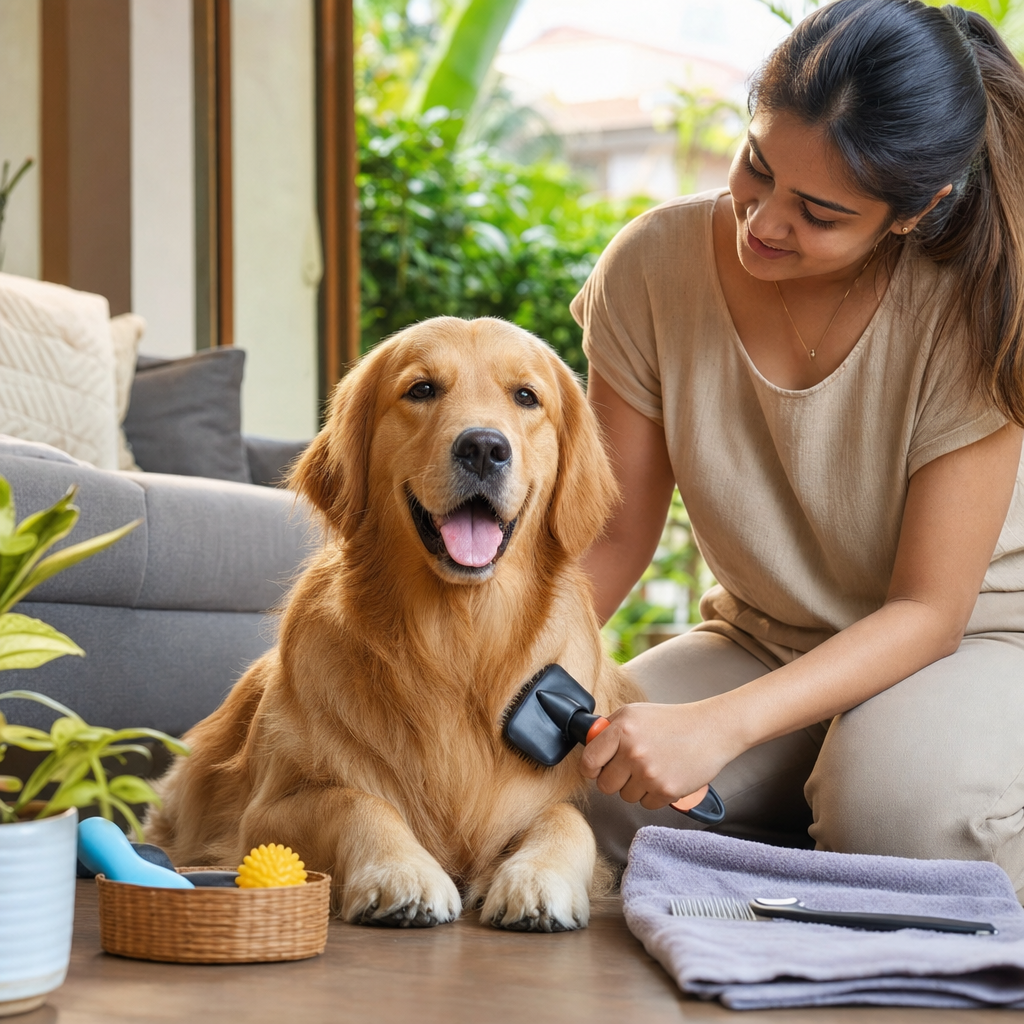
1. Brushing: Brush your Golden Retriever at least twice a week using a slicker brush. This helps reduce shedding, prevents matting, and keeps their coat shiny. During shedding seasons, such as spring and autumn, daily brushing may be necessary.

2. Bathing: Bathe your Golden Retriever once every 6-8 weeks. Overbathing can strip natural oils from their coat. Use a gentle dog shampoo and ensure thorough rinsing to prevent skin irritations.

3. Ear Care: Regularly inspect and clean your dog’s ears using a vet-recommended solution. Golden Retrievers are prone to ear infections, so keeping them dry and clean is essential.

4. Nail Trimming: Trim your dog’s nails every 3-4 weeks. Long nails can cause discomfort and affect your dog’s walking pattern.

5. Dental Health: Brush your Golden Retriever’s teeth at least 2-3 times a week using dog-specific toothpaste to prevent dental issues and bad breath.

Golden Retriever Behavior Insights

Golden Retrievers are known for their friendly, energetic, and intelligent nature. Understanding their behavior can help you better integrate them into Indian homes.

1. Social Creatures: These dogs thrive on companionship and enjoy being part of family activities. They are gentle with children and get along with other pets.

2. Energetic and Playful: Ensure your Golden Retriever receives at least 1-2 hours of exercise daily. Engage them in activities like walking, running, or playing fetch to burn off energy and maintain good health.

3. Intelligent and Trainable: Known for their intelligence, Golden Retrievers respond well to positive reinforcement training. Start training early to instill good behavior and social skills.

4. Attention Seekers: These dogs love attention and can become bored if left alone for extended periods. Provide toys and interactive games to keep them entertained.

Adapting to Indian Living Conditions

Golden Retrievers can adapt well to Indian homes with proper care and attention. Ensure they have a comfortable living space, access to clean water, and a nutritious diet. Regular vet check-ups will help monitor their health and address any concerns early.

Conclusion

Overall, with routine grooming and an understanding of their behavior, Golden Retrievers can become wonderful companions in Indian households. Embrace their loving nature and watch your bond grow stronger every day. For more pet care tips, stay tuned with Pettomets!

August 22, 2026 | virath94311

Common Health Problems in Russian Blues: Early Signs & Prevention

Understanding Common Health Problems in Russian Blues: Early Signs & Prevention

The Russian Blue is a beautiful and intelligent breed, cherished for its striking features and gentle temperament. However, like all breeds, they can be prone to certain health issues. Understanding these problems, recognizing early signs, and implementing preventive measures can ensure your Russian Blue lives a long, healthy life.

Genetic Disorders in Russian Blues

Russian Blues are generally healthy cats, but they can be predisposed to some genetic conditions. Awareness and regular vet check-ups can help detect these issues early. Below are a couple of common genetic concerns:

1. Polycystic Kidney Disease (PKD)

PKD is a condition where cysts form in the kidneys, potentially leading to kidney dysfunction over time. It’s essential to detect this condition early:

Early Signs: Increased thirst, frequent urination, weight loss, and poor appetite.

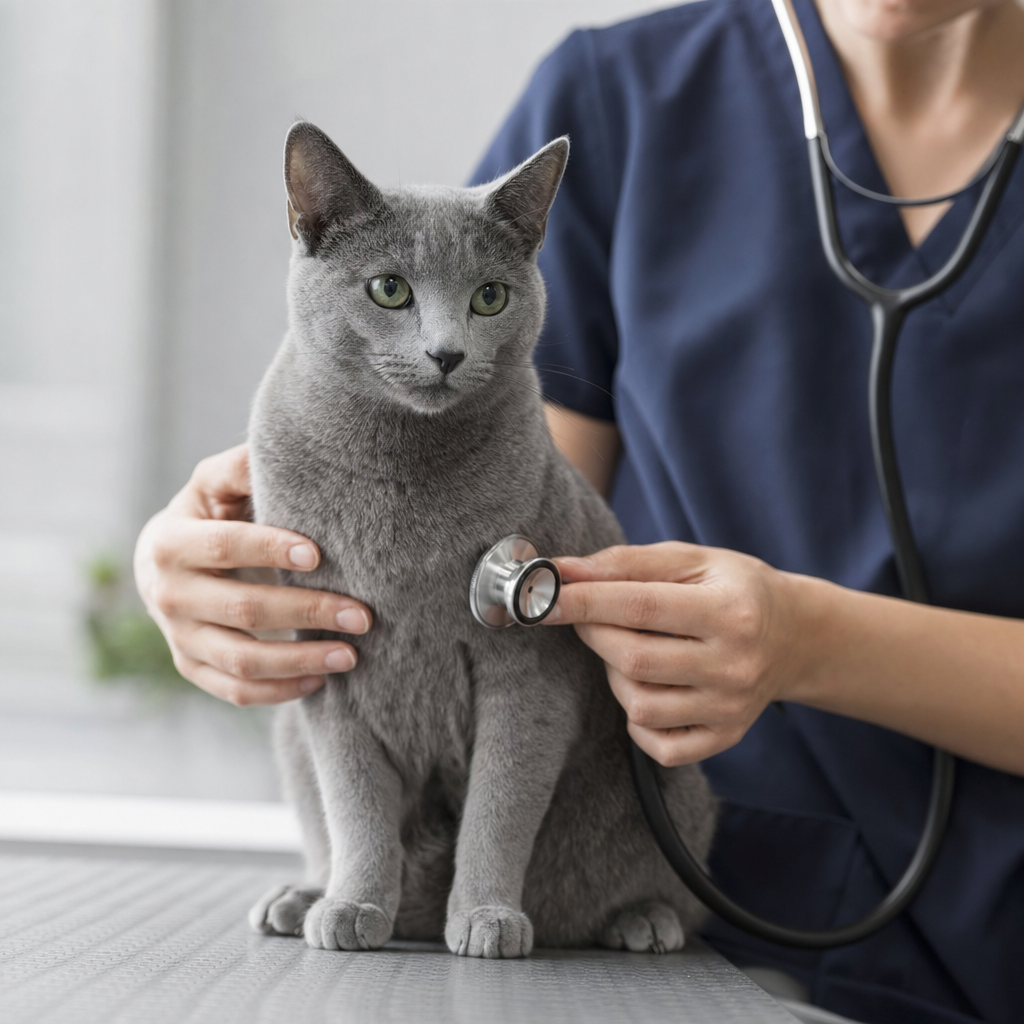
Prevention: Regular veterinary examinations and ultrasound checks can help in early detection. While there is no cure, diet management and hydration can slow progression.

2. Hypertrophic Cardiomyopathy (HCM)

HCM is a heart disease common in cats, including Russian Blues. It involves the thickening of the heart walls, which can impact heart function.

Early Signs: Lethargy, breathing difficulties, or sudden collapse.

Prevention: There is no known prevention, but regular heart screenings and echocardiograms can help in managing the condition timely.

Maintaining a Healthy Weight

Russian Blues are prone to obesity if not monitored closely. Overweight cats face many health challenges, including diabetes and joint issues.

Prevention: Provide a balanced diet and ensure regular exercise. Interactive toys and engaging playtime can help maintain a healthy weight.

Dental Health Concerns

Dental problems, like gingivitis and periodontal disease, can affect Russian Blues. Good oral hygiene is crucial for overall health.

Early Signs: Bad breath, red gums, and difficulty eating.

Prevention: Regular brushing of teeth and annual dental check-ups are recommended. Dental treats and special diets can also support oral health.

Respiratory Issues

Though not specific to Russian Blues, respiratory problems can occur, especially if your cat suffers from allergies or asthma.

Early Signs: Sneezing, coughing, nasal discharge, and labored breathing.

Prevention: Keep the living environment clean and free from dust and allergens. If symptoms persist, consult a vet for proper diagnosis and treatment.

Conclusion: Staying Ahead of Health Issues in Russian Blues

Caring for a Russian Blue involves being proactive about their health. Regular veterinary visits, a balanced diet, and an active lifestyle can prevent and manage common health issues. By recognizing the early signs, you ensure your furry friend remains healthy and happy.

Remember, a little awareness goes a long way in ensuring the well-being of your Russian Blue!

August 22, 2026 | virath94311

Bengal Cat Diet Chart: What to Feed by Age & Weight

The Ultimate Bengal Cat Diet Chart: What to Feed by Age & Weight

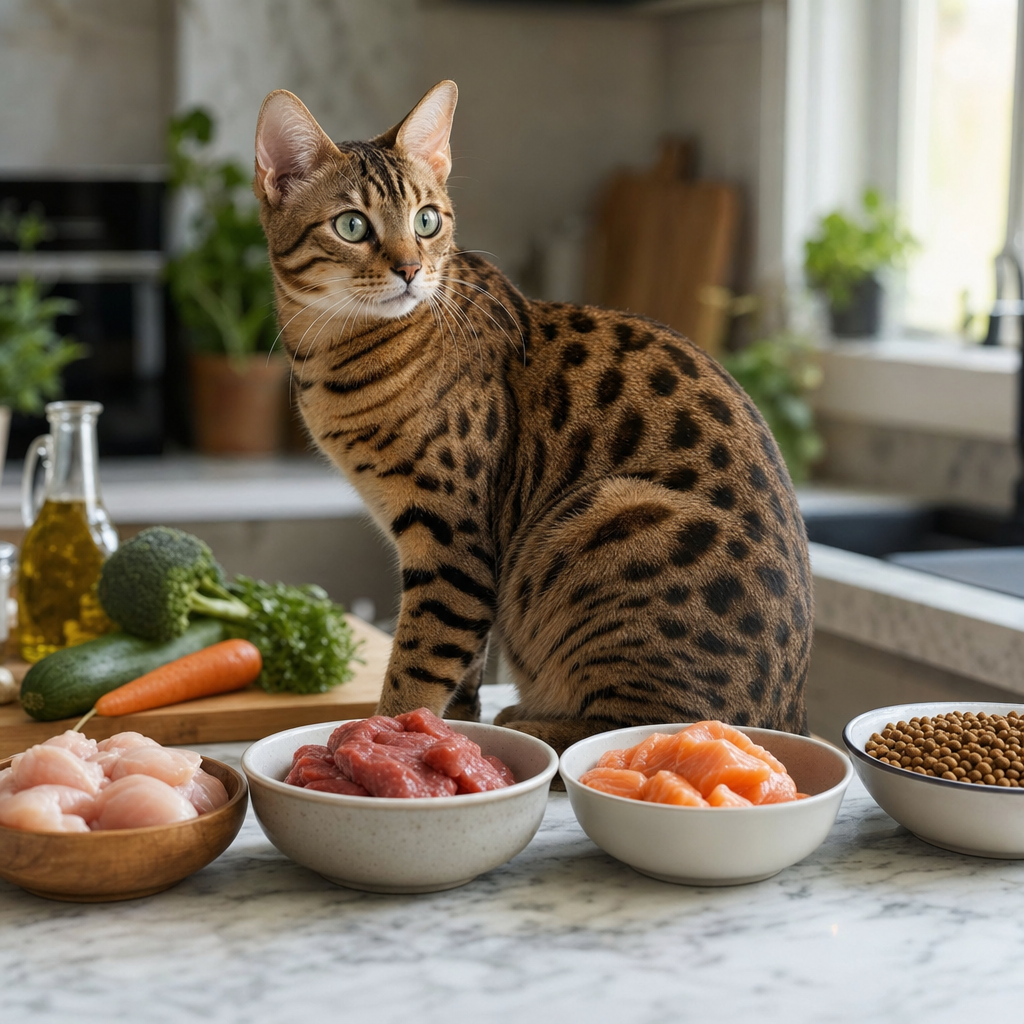
Bengal cats, known for their striking appearance and vibrant energy, require a balanced diet to keep them in top health. Understanding what to feed your Bengal cat at different stages of their life is crucial. This comprehensive Bengal cat diet chart will guide you through dietary needs based on age and weight. Let’s dive in!

Bengal Cat Feeding Basics

Before we explore specific diet charts, here are some essential feeding principles for Bengal cats:

  • High-Protein: Bengals thrive on diets rich in protein. Choose foods with real meat as the primary ingredient.
  • Hydration is Key: Wet food helps maintain hydration levels, preventing urinary tract issues.
  • Avoid Fillers: Steer clear of foods with excessive fillers like corn and soy.

Bengal Kitten Diet Chart: 0-12 Months

During the first year, Bengal kittens experience rapid growth and require a diet rich in nutrients to support their development.

  • 0-3 Months: Incorporate high-quality kitten formula and start introducing wet and dry kitten food.
  • 3-6 Months: Gradually increase the quantity of solid food while ensuring it’s protein-rich and balanced.
  • 6-12 Months: Transition to a regular feeding schedule with 3-4 meals a day, focusing on quality kitten food.

Adult Bengal Cat Diet Chart: 1-7 Years

Adult Bengals require a maintenance diet that keeps up with their active nature.

  • Weight 8-10 lbs: Feed 2-3 cans of high-protein wet food daily, optionally supplement with dry food.
  • Weight 11-15 lbs: Increase intake to 3-4 cans of wet food daily, ensuring calorie needs are met.

Senior Bengal Cat Diet Chart: 8+ Years

As Bengals age, their diet may require adjustments to accommodate changes in metabolism and activity levels.

  • Weight 8-10 lbs: Lower calorie intake slightly; consider foods formulated for senior cats.
  • Weight 11-15 lbs: Provide 2.5-3 cans of wet food daily, focusing on easy-to-digest formulas.

Special Dietary Considerations

Consider these additional tips when planning your Bengal cat’s diet:

  • Monitor Weight: Regularly weigh your Bengal to adjust portion sizes accordingly.
  • Sensitive Stomachs: Some Bengals may have food sensitivities; consult your vet if you notice digestive issues.
  • Treats: Limit treats to prevent obesity and use them for training or special occasions.

Conclusion

Ensuring your Bengal cat receives a nutritious and balanced diet at each life stage is crucial for their health and happiness. Use this Bengal cat diet chart as a guide, and always consult with your veterinarian for personalized advice. A well-fed Bengal is a happy, healthy companion!

August 22, 2026 | virath94311

Pet CPR & Choking: What Every Owner Should Know

Pet CPR & Choking: What Every Pet Owner Should Know

As loving pet owners, ensuring the safety and well-being of our furry companions is a top priority. Accidents and emergencies can happen at any time, and having basic knowledge of pet CPR and how to handle choking can make all the difference. Here’s a complete guide for every pet owner to stay prepared and confident in such situations.

Understanding Pet CPR

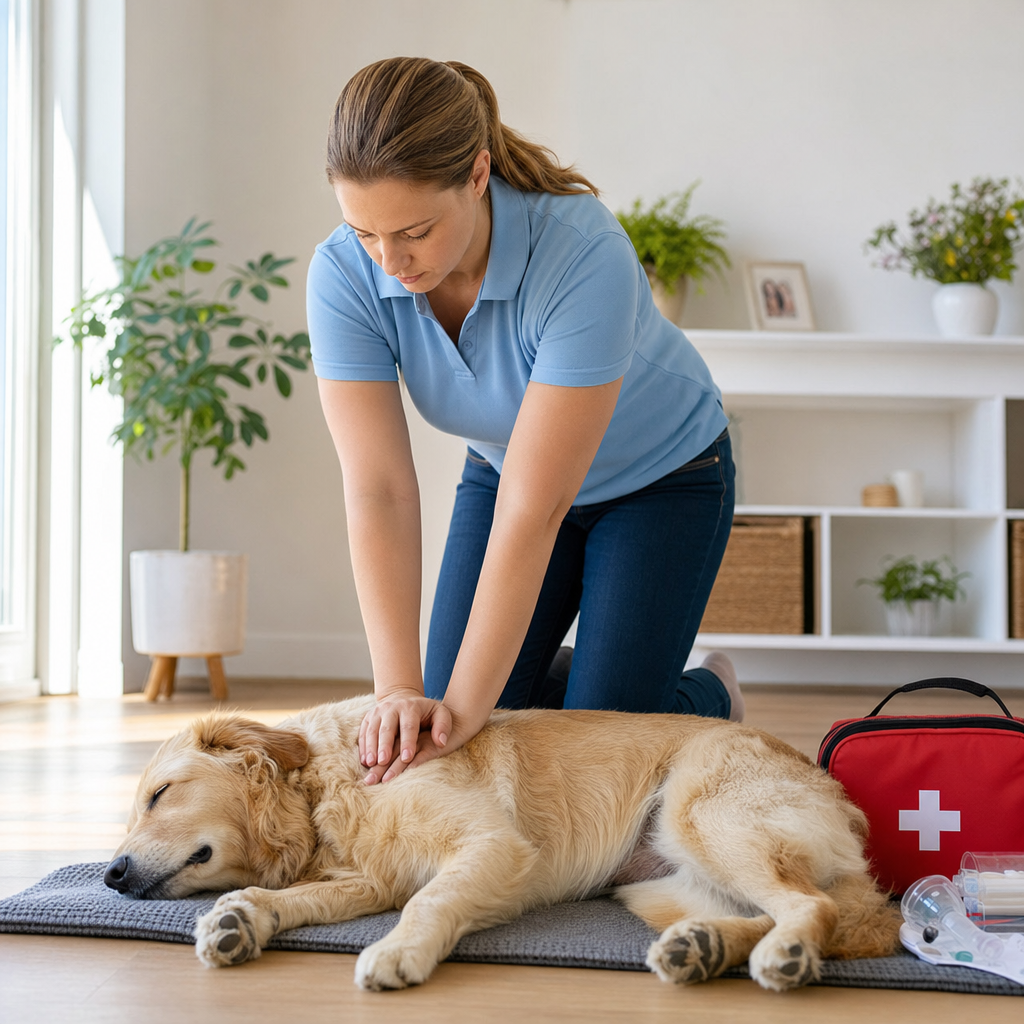
CPR, or cardiopulmonary resuscitation, is a lifesaving technique used in emergencies when a pet has stopped breathing or their heart has ceased beating. While it’s rare that you’ll need to perform CPR on your pet, knowing how to do it correctly can be crucial.

Steps for Performing Pet CPR

1. **Assess the Situation**: First, check if your pet is unconscious. Gently call their name or tap them to see if they respond.

2. **Check for Breathing and a Pulse**: Look at their chest and feel for breaths. Check for a pulse on the femoral artery located on the inside of their hind leg.

3. **Position Your Pet**: If there are no signs of breathing or pulse, lay them on their right side on a flat surface.

4. **Compressions for Small Pets**: For smaller pets, use your thumb and forefingers around the chest, just behind the front legs, and compress 1/3 to 1/2 the width of the chest.

5. **Compressions for Large Pets**: Place one hand on top of the other over the widest part of the chest and deliver quick compressions.

6. **Rescue Breaths**: After 30 compressions, close your pet’s mouth and gently breathe into their nostrils. Give two breaths for every 30 compressions.

7. **Continuous Effort**: Continue with the cycle of compressions and breaths until your pet starts breathing or professional help arrives.

Handling a Choking Pet

Choking can occur if your pet swallows something inappropriate. Staying calm and acting swiftly can save your pet’s life.

Steps to Address Choking

1. **Assess the Obstruction**: Look into your pet’s mouth to check for visible obstructions. Use your fingers carefully to remove any object you can see.

2. **Back Blows for Small Pets**: If the object isn’t visible, gently but firmly give five back blows with your palm between their shoulder blades.

3. **Heimlich Maneuver for Large Pets**: Stand behind your pet, place your fist just behind the rib cage, and give five rapid, upward abdominal thrusts.

4. **Check the Mouth Again**: After the blows or thrusts, check their mouth again to see if the object has been dislodged.

5. **Seek Professional Help**: If unsuccessful, take your pet to the vet immediately while continuing emergency procedures.

Final Thoughts

Knowing how to perform CPR and manage choking hazards can be vital in safeguarding your pet’s life. Regular training and refresher courses on these techniques are recommended for every pet owner. Stay prepared, stay calm, and your furry friend will thank you for your care and attentiveness.

For more information and tips on pet safety, visit Pettomets. With the right knowledge and love, you can provide a safe and healthy environment for your pet.

August 22, 2026 | virath94311

Diwali Pet Safety Guide: Protecting Dogs & Cats from Firecrackers

Diwali Pet Safety Guide: Protecting Dogs & Cats from Firecrackers

As the vibrant festival of Diwali approaches, bringing joy, lights, and celebration, it also raises concerns for pet owners. The festival of lights can be a stressful time for pets, particularly due to the loud sounds of firecrackers. At Pettomets, we understand the importance of keeping your furry friends safe during this festive season. Here’s a comprehensive Diwali pet safety guide to ensure your dogs and cats stay protected and calm amidst the celebrations.

Understand the Impact of Firecrackers on Pets

Dogs and cats have a keen sense of hearing, making them particularly sensitive to loud noises. The sound of firecrackers can cause stress, anxiety, and sometimes even lead to health issues. It’s crucial for pet owners to be aware of these impacts and take proactive steps to create a safe environment for their pets during Diwali.

Creating a Safe Space for Your Pets

A serene, secure environment is essential for pets during Diwali. Designate a quiet room where your pet can retreat when the noise becomes overwhelming. Ensure this space is comfortable, has familiar items like their bed or blanket, and is away from windows to minimize the noise.

Distract and Entertain

Keep your pets engaged to distract them from the noise of fireworks. Provide them with toys or games that capture their attention. Puzzle toys filled with treats can be an excellent way to keep them occupied. Playing soft music can also help drown out the sudden bursts of firecracker sounds.

Keep Pets Indoors and Secure

It’s crucial to keep your pets indoors during the peak hours of Diwali celebrations. Ensure doors and windows are closed to prevent pets from escaping in panic. If you’re hosting guests, pay extra attention to ensure pets don’t slip outside unnoticed.

Consult Your Veterinarian for Calming Solutions

If your pet is particularly anxious, consult your veterinarian for calming solutions. They might recommend safe, pet-friendly products like calming collars, natural supplements, or, in some cases, medications that can reduce stress and anxiety in pets.

Exercise Pets Before Fireworks Begin

A tired pet is generally a calm pet. Take your dog for a walk or have an interactive play session with your cat during the day, before the firecrackers start. This exercise can help them expend energy and stay calmer when the festivities are in full swing.

Stay Calm and Reassuring

Your pets look to you for reassurance. If you remain calm, they are more likely to feel secure. Speak to them in soothing tones and offer comfort if they seem anxious, but avoid over-coddling as it may reinforce fearful behavior.

Pet Identification and Safety Measures

Ensure that your pets are wearing identification tags with your contact information. In case they do get out, this will make it easier for someone to return them to you. Microchipping is also recommended as a permanent form of identification.

Conclusion

Diwali is a time for celebration and joy, and with a little preparation and care, it can be safe and enjoyable for your pets as well. By following these tips, you’ll help ensure that your dogs and cats remain calm and secure. Let’s make this Diwali a happy time for all, including our beloved pets!

August 22, 2026 | virath94311

Best Puzzle Feeders & Slow Feed Bowls for Dogs

Discover the Best Puzzle Feeders & Slow Feed Bowls for Dogs

If you’re a dog owner, you know the joys of watching your furry friend enjoy their meal. But what if you could make mealtime more engaging, slow down fast eaters, and contribute to your dog’s overall health? Welcome to the world of puzzle feeders and slow feed bowls for dogs! In this article, we’ll explore the benefits and introduce you to some top picks that will transform the way your dog dines.

Why Choose Puzzle Feeders & Slow Feed Bowls?

Puzzle feeders and slow feed bowls are designed to challenge your dog mentally and slow down their eating speed. Here’s why they could be a great addition to your home:

  • Encourage Mental Stimulation: Puzzle feeders engage your dog’s brain, making them work for their food and keeping boredom at bay.
  • Prevent Bloating and Indigestion: Slow feed bowls reduce the risk of bloating and indigestion by moderating how quickly your pet eats.
  • Reduce Obesity Risk: By controlling rapid eating, you help manage your dog’s weight.
  • Improve Digestion: Slowing down mealtime encourages better digestion and nutrient absorption.

Top Puzzle Feeders for Dogs

KONG Wobbler

The KONG Wobbler is a favorite among dog owners for its durability and entertainment value. Its unpredictable wobbles keep dogs on their toes, challenging them to earn their treats.

Nina Ottosson Dog Tornado

This interactive toy features multiple spinning layers that require your dog to problem-solve and sniff out their food. It’s perfect for curious pups who love a challenge!

Best Slow Feed Bowls for Dogs

Outward Hound Fun Feeder

With its vibrant colors and intricate patterns, the Outward Hound Fun Feeder is designed to slow down your dog’s eating time by up to 10 times. It comes in various sizes to suit different breeds.

Neater Pet Brands Neater Slow Feeder

The Neater Slow Feeder combines practical design with functionality. Its non-slip base and easy-to-clean design make it a winner for both pets and their owners!

Choosing the Right Fit for Your Dog

When selecting a puzzle feeder or slow feed bowl, consider your dog’s size, breed, and eating habits. Some dogs may prefer the straightforward challenge of a slow feed bowl, while others might revel in the complexity of a puzzle feeder. Always supervise initial interactions to ensure the product is safe and suitable for your pet.

Final Thoughts

Puzzle feeders and slow feed bowls are more than just feeding tools—they’re a way to enrich your dog’s life. By catering to their natural instincts and promoting healthier eating habits, you enhance their wellbeing with every meal. Explore the options above, and watch your beloved canine transform mealtime into playtime!

Ready to make a change? Visit Pettomets today to find the perfect puzzle feeder or slow feed bowl for your furry friend!

August 22, 2026 | virath94311

Common Health Problems in Boxers: Early Signs & Prevention

Common Health Problems in Boxers: Early Signs & Prevention

Boxers are a beloved breed known for their playful nature and boundless energy. However, like all breeds, they are susceptible to certain health issues. Being informed about these common health problems can help you ensure a long, happy life for your furry friend. In this post, we’ll delve into some common health problems in Boxers, the early signs to watch for, and ways to prevent them.

Heart Conditions

Boxers are prone to several heart conditions, with Boxer Cardiomyopathy being one of the most prevalent. This condition affects the heart’s ability to pump blood efficiently and can be life-threatening if not caught early.

Early Signs

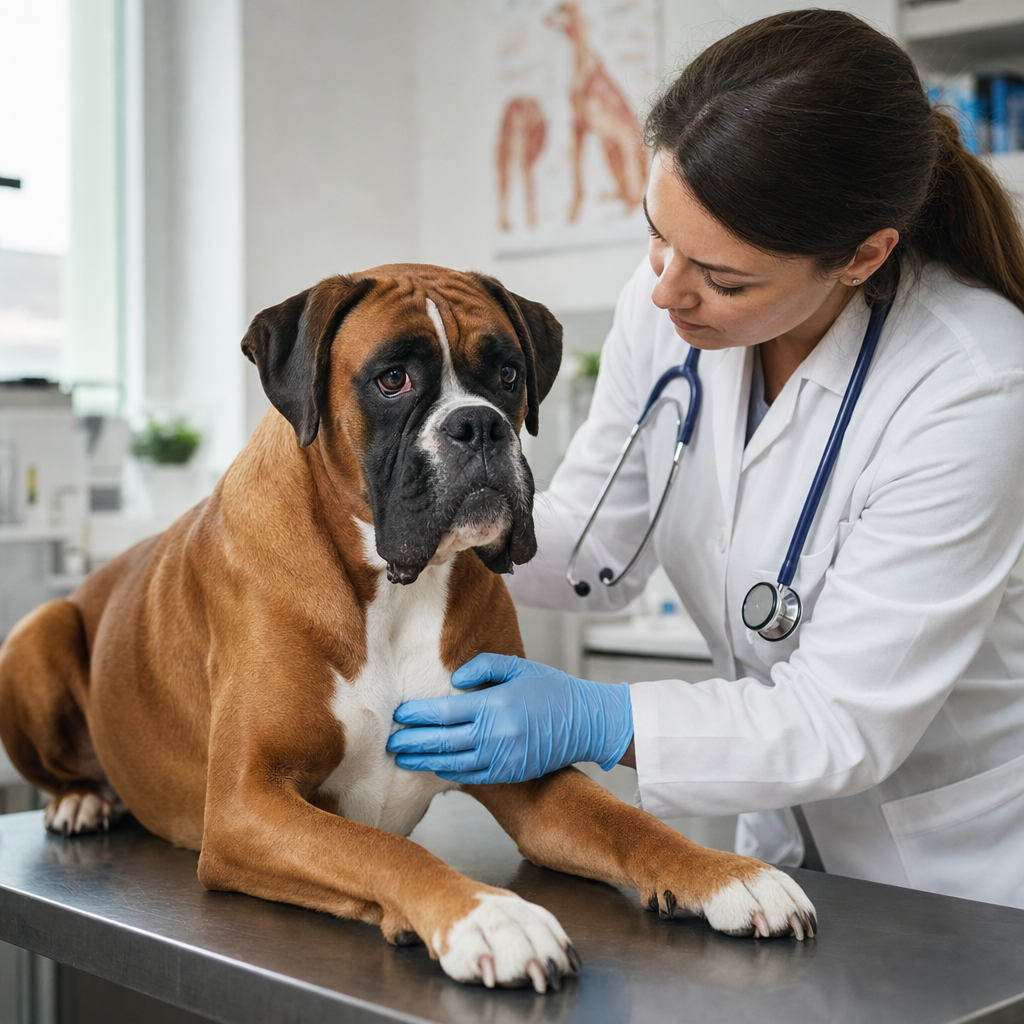
Look out for symptoms like fainting, weakness, or lethargy. If your Boxer seems easily tired or has difficulty breathing, these could be early indicators.

Prevention

Regular check-ups with your veterinarian are crucial. An annual heart screening can help catch any irregularities early. Maintaining a healthy weight and providing regular exercise also supports heart health.

Hip Dysplasia

Hip dysplasia is a genetic condition affecting the hip joint, leading to arthritis and pain as the dog ages.

Early Signs

Early symptoms include a reluctance to climb stairs, difficulty standing up, and visible discomfort when walking or running.

Prevention

Ensuring your Boxer maintains a healthy weight and avoiding excessive jumping or hard impacts on the joints can help prevent or alleviate symptoms. Feeding a diet enriched with glucosamine can also support joint health.

Cancer

Cancer is unfortunately common in Boxers, with mast cell tumors being a prevalent form.

Early Signs

Watch for unusual lumps or bumps on your Boxer’s skin. Also, be alert for sudden changes in weight, appetite, or energy levels.

Prevention

Early detection is key. Regularly check your dog’s skin for abnormal growths and consult your veterinarian if you notice anything suspicious. Feeding a balanced diet and providing a healthy lifestyle boosts overall immune function.

Allergies

Boxers can suffer from a variety of allergies ranging from food to environmental irritants.

Early Signs

Signs include excessive scratching, licking of paws, ear infections, or gastrointestinal issues like vomiting or diarrhea.

Prevention

An allergy test can help determine the specific allergens affecting your Boxer. Once identified, managing exposure and using prescribed medications can significantly alleviate symptoms.

Conclusion

Being aware of these common health problems in Boxers can help you recognize symptoms early and seek timely veterinary intervention. Regular vet check-ups, a balanced diet, and a healthy lifestyle are essential strategies in preventing these issues. Your Boxer’s health is largely influenced by your proactive care and attention.

For more tips and advice on Boxer health, be sure to follow our blog at Pettomets. Your Boxer deserves the very best, and we’re here to help you provide it!

August 22, 2026 | virath94311

Shih Tzu Diet Chart: What to Feed by Age & Weight

Shih Tzu Diet Chart: What to Feed by Age & Weight

Welcome to Pettomets, your trusted resource for all things pet-related! Today, we’re diving into the world of Shih Tzus and exploring the best diet practices for different ages and weights. If you’re wondering how to keep your Shih Tzu healthy and happy through proper nutrition, you’ve come to the right place.

Understanding Shih Tzu Nutritional Needs

Shih Tzus, known for their playful and affectionate nature, have specific dietary needs. Their nutrition should be tailored to their age, weight, and activity level to ensure they thrive. Here’s a comprehensive guide to help you structure a balanced diet for your Shih Tzu.

Puppy Stage (0-12 Months)

0-3 Months: During these early months, a Shih Tzu puppy requires nutrient-rich food to support rapid growth. Opt for high-quality puppy kibble or wet food formulated for smaller breeds. Feed them small meals 3-4 times a day.

4-12 Months: As they grow, Shih Tzu puppies should start transitioning to adult dog food. Ensure it’s high in protein to build muscles and maintain a healthy weight. Aim for 3 meals a day with gradual portion increases as they approach adulthood.

Adult Stage (1-8 Years)

Weight Management: Adult Shih Tzus need balanced nutrition to maintain an ideal weight. Consider their activity level when planning meals. For a moderately active adult, 1/2 to 1 cup of high-quality dog food daily is typical, divided into two meals.

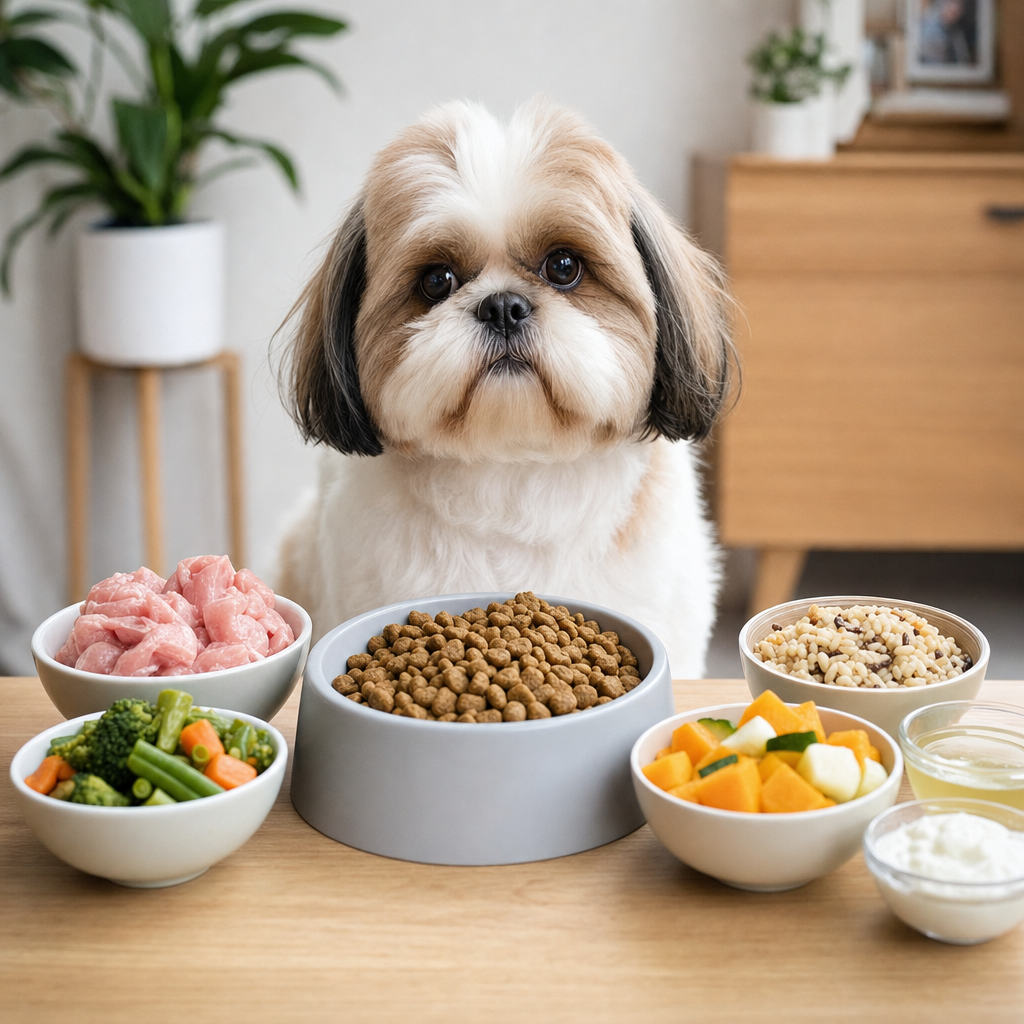
Nutrient Requirements: Make sure their diet includes proteins, healthy fats, and carbohydrates. Incorporate omega fatty acids for a shiny coat and skin health. Fresh vegetables and lean meats can serve as nutritious additions or treats.

Senior Stage (8+ Years)

Digestive Health: As Shih Tzus age, they may experience slower metabolism. Focus on a diet that’s easy to digest, with lower calories to prevent obesity. Small, frequent meals can help manage their energy levels and digestion.

Joint and Bone Support: Include foods rich in glucosamine and chondroitin to support joint health. Senior-specific dog foods often contain these elements, helping maintain your Shih Tzu’s mobility and comfort.

Tailoring Diet by Weight

Adjust your Shih Tzu’s portion sizes based on their weight. For a specific diet plan, consult your veterinarian, who can offer personalized recommendations:

  • Under 9 lbs: Smaller Shih Tzus may require about 1/2 cup of food per day.
  • 9-16 lbs: Medium-weight Shih Tzus typically need 1/2 to 1 cup daily.
  • Over 16 lbs: Larger Shih Tzus might benefit from up to 1 1/4 cups per day.

Conclusion

Feeding your Shih Tzu the right diet at every stage of their life is crucial for their overall health and happiness. Whether they’re an energetic puppy or a cherished senior, adjusting their diet based on age and weight ensures they get the nutrition they need. Always consult a vet for the best dietary advice tailored to your pet’s individual needs. Follow this guide to keep your beloved Shih Tzu active and content for years to come!

For more pet care tips and advice, stay tuned to Pettomets, your go-to source for pet wellness and information.

August 22, 2026 | virath94311

Siamese Cat Diet Chart: What to Feed by Age & Weight

Siamese Cat Diet Chart: Tailoring Nutrition by Age and Weight

When it comes to the distinctive Siamese cat, their sleek appearance and playful personality require a carefully curated diet. Understanding the nutritional needs based on age and weight is crucial for your feline’s health. Here’s a comprehensive Siamese cat diet chart to guide you through every stage of their life.

Understanding Your Siamese Cat’s Nutritional Needs

Siamese cats are known for their active nature and unique physiological needs. Whether it’s a kitten or a mature cat, their diet should be high in protein and balanced with essential nutrients. Let’s dive into what your Siamese cat needs at different stages of life.

Feeding Siamese Kittens

Age: 0-6 Months

During the early months, Siamese kittens grow rapidly, developing muscles and energy reserves. A diet rich in protein and fat is essential. Look for kitten-formulated foods providing:

  • 30-40% Protein
  • 15-20% Fat
  • 200+ calories/day

Feed them 3-4 times a day to keep their energy levels stable.

Diet for Young Adult Siamese Cats

Age: 6 Months – 2 Years

As they transition to adulthood, Siamese cats require a balanced diet to maintain their slim physique while supporting their active lifestyle. Choose a high-quality adult cat food with:

  • 25-30% Protein
  • 10-15% Fat
  • 150-250 calories/day based on activity level

Two meals a day will suffice, but ensure constant access to fresh water.

Nutrition for Mature Siamese Cats

Age: 2+ Years

Adult Siamese cats thrive on a diet that maintains lean muscle and prevents obesity. Monitor their weight and adjust food portions as necessary. Their diet should include:

  • 20-25% Protein
  • 10-15% Fat
  • 150-200 calories/day

Consider interactive feeding toys to keep them engaged while eating.

Senior Siamese Cat Diet

Age: 10+ Years

Older Siamese cats need fewer calories but still require quality nutrition to support aging bodies. Opt for senior cat food with joint supplements and antioxidants. Ideal diet composition includes:

  • 25-30% Protein
  • 5-10% Fat
  • 100-150 calories/day

Observe for changes in appetite or weight and consult your vet for personalized advice.

Regular Check-Ups and Adjustments

Regular vet visits are crucial for monitoring your Siamese cat’s health and ensuring that their diet meets their changing needs. Adjustments may be necessary based on health, lifestyle, and age.

Conclusion

Caring for a Siamese cat involves more than just love and attention. Providing the right diet tailored to their age and weight is key to ensuring a long, healthy life. Use this Siamese cat diet chart as a guide, and remember, every cat is unique. Always consider individual needs and preferences when planning meals.

Stay informed, and keep your Siamese cat thriving!