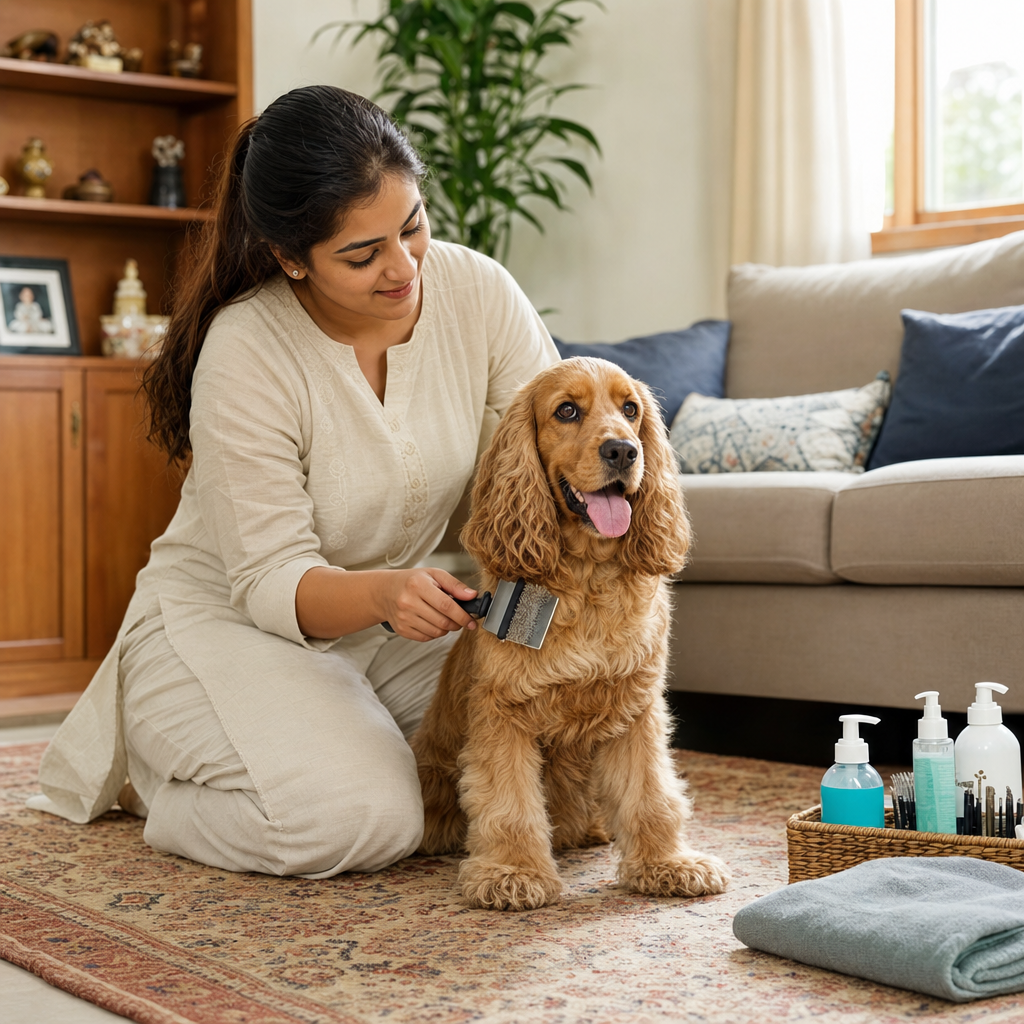
Cocker Spaniel Grooming & Behavior Guide for Indian Homes
Cocker Spaniel Grooming & Behavior Guide for Indian Homes
Cocker Spaniels are known for their adorable looks and friendly nature, making them a popular choice for families in India. However, maintaining their grooming and understanding their behavior can be quite a task! In this guide, we’ll cover everything you need to know about keeping your Cocker Spaniel happy and looking great.
Understanding Cocker Spaniel Behavior
Cocker Spaniels are affectionate, intelligent, and eager to please. These traits make them excellent companions, but they can also lead to some behavioral challenges if not addressed properly.
Socialization
Early socialization with people and other animals is crucial. Introduce your Cocker Spaniel to various environments early on to help them become well-rounded and adaptable.
Exercise Needs
These energetic dogs require regular exercise. Daily walks and playtime are essential to prevent boredom and destructive behavior.
Training Tips
Training should start early, focusing on positive reinforcement. Cocker Spaniels respond well to rewards, making training sessions more effective and enjoyable.
Grooming Your Cocker Spaniel
Grooming is an essential part of owning a Cocker Spaniel, thanks to their long, luscious coats. Here’s how to keep them tangle-free and healthy.
Brushing
Regular brushing is essential to prevent mats and tangles. Aim to brush your Cocker Spaniel at least three times a week. A slicker brush and a metal comb can be very effective.
Bathing
Bathe your Cocker Spaniel every 4-6 weeks using a mild dog shampoo to keep their coat clean and shiny. Avoid over-bathing as it can strip natural oils from their skin.
Ear Care
Cocker Spaniels are prone to ear infections due to their floppy ears. Clean their ears weekly with a vet-recommended solution to prevent infections.
Nail Clipping
Trim your dog’s nails regularly to prevent discomfort and health problems. If you’re not confident, consider taking them to a professional groomer.
Professional Grooming
Schedule a professional grooming session every 6-8 weeks. This ensures your Cocker Spaniel’s coat and skin stay in the best condition.
Conclusion
Taking care of a Cocker Spaniel in an Indian home involves regular grooming and understanding their behavior. With the right care, you’ll enjoy the companionship of a happy and beautiful dog. Whether you’re a new owner or looking to improve your grooming routine, this guide provides a comprehensive approach to ensuring your Cocker Spaniel thrives.
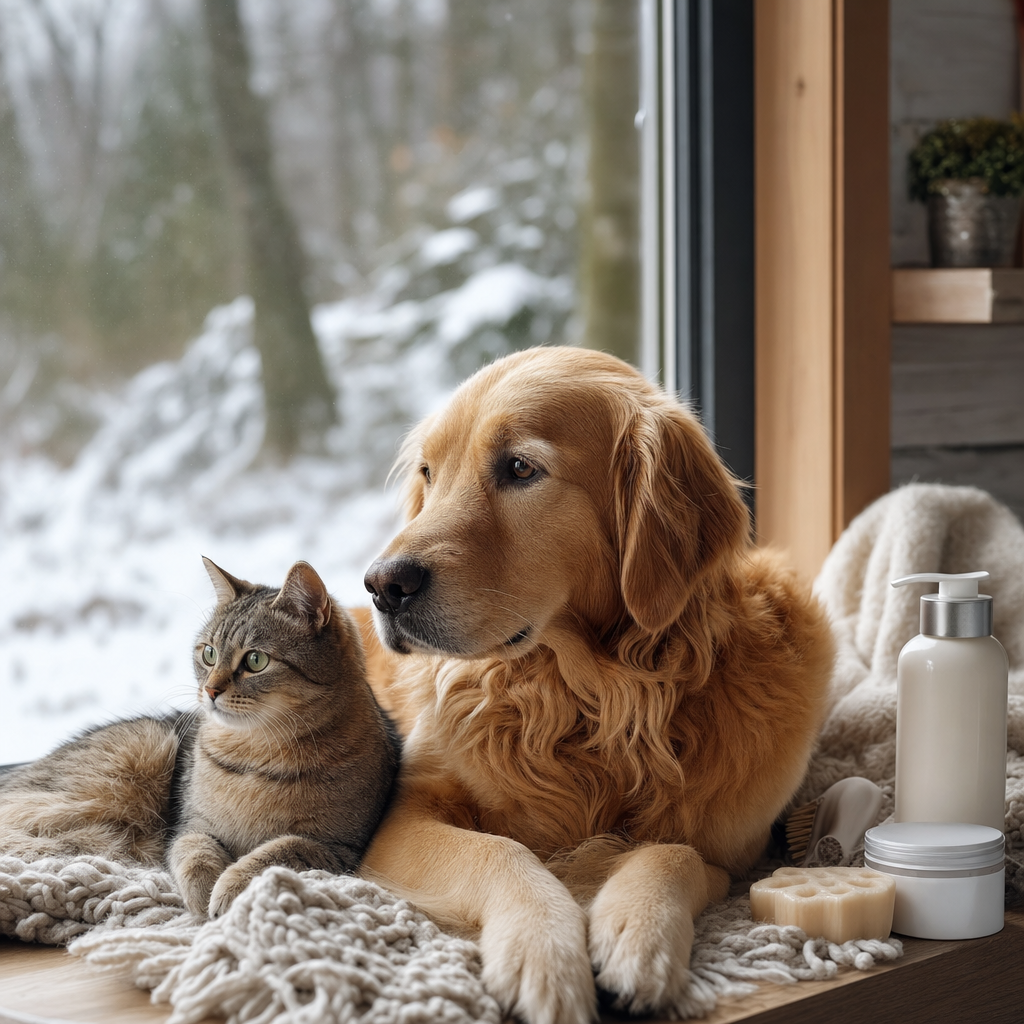
Winter Skin Care for Dogs & Cats: Preventing Dryness & Cracked Paws
Winter Skin Care for Dogs & Cats: Preventing Dryness & Cracked Paws
As winter sets in, the chilly weather can be harsh not only on us but also on our furry friends. Just as we take extra care to protect our skin from the cold, it’s essential to consider the winter skin care needs of our beloved dogs and cats. From dry skin to cracked paws, the drop in temperature can lead to discomfort for your pets. At Pettomets, we’re committed to helping you keep your pets healthy and comfortable all season long. Here’s how to prevent dryness and care for those winter paws effectively.
Understanding Winter’s Impact on Pet Skin
Winter air is typically dry, which can strip moisture from your pet’s skin and coat, leading to itching and flaking. Moreover, indoor heating can exacerbate this dryness. Cold weather, coupled with salted sidewalks, can also lead to cracked and sore paws. Recognizing these challenges is the first step in keeping your pets comfortable and protected.
Moisturize Their Skin
One of the most effective ways to combat dry skin in dogs and cats is moisturizing. Use a pet-specific moisturizer to keep their skin hydrated. Coconut oil is a natural option that can work wonders. Regular grooming and brushing also help in spreading the natural oils across their coat, keeping their skin healthier. Additionally, increasing the humidity levels inside your home can aid in maintaining skin moisture.
Winter Paw Care for Dogs
Dogs’ paws are particularly vulnerable during winter. The combination of cold weather and chemical-laden ice melts can cause significant harm. Here’s how to ensure your dog’s paws remain in top condition:
Trim the Hair
Keep the hair between your dog’s paw pads trimmed. This reduces the accumulation of ice, salt, or grit which can cause irritation or infection.
Paw Protection
Consider using pet booties during walks. Not only do they keep your dog’s paws warm, but they also protect them from salt and chemicals. If booties aren’t an option, applying a pet-safe paw balm before and after walks can provide a protective barrier.
Inspect and Clean
After each walk, inspect your dog’s paws for any cuts or foreign objects. Wipe them with a damp cloth to remove any salt or chemicals. Regular checking is crucial to avoid infections or irritations.
Diet and Hydration
A nutrient-rich diet plays a vital role in maintaining healthy skin and coat. Adding Omega-3 and Omega-6 fatty acids can promote healthier skin. Ensure your pets are well-hydrated, as adequate water intake aids in overall skin moisture levels.
Signs to Watch For
Be on the lookout for signs of severe dryness or irritation, such as excessive scratching, redness, or bleeding paws. If such symptoms occur, consult with your veterinarian immediately for appropriate treatment.
Conclusion
Winter can be a challenging time for pet skin care, but with a proactive approach, you can keep your furry friends healthy and happy. By integrating these simple yet effective steps into your winter routine, your pets will enjoy the season with comfort and warmth. Stay tuned to Pettomets for more tips and advice on keeping your pets at their best, no matter the season.

Best Supplements for Joint Health in Large Breed Dogs
Top Supplements for Joint Health in Large Breed Dogs
Large breed dogs bring joy and companionship into our lives, but their size can sometimes mean additional health challenges, particularly with their joints. As responsible pet owners, it’s crucial to support their joint health to ensure they live happy and active lives. Here’s a guide to the best supplements that can help maintain your big dog’s joint health.
Why Joint Health is Important in Large Breeds
Large breed dogs are more prone to joint issues due to the stress their weight places on their joints. Conditions such as arthritis, hip dysplasia, and other degenerative joint issues are common. Maintaining joint health is vital to preserve their mobility and overall quality of life.
Key Ingredients to Look for in Joint Supplements
When choosing joint supplements, focus on those that contain proven ingredients known to support joint health. Here are some key ingredients to look for:
- Glucosamine: A natural compound that helps regenerate cartilage and maintain joint health.
- Chondroitin: Works in synergy with glucosamine to keep cartilage healthy and reduce inflammation.
- MSM (Methylsulfonylmethane): Offers anti-inflammatory benefits and aids in pain relief.
- Omega-3 Fatty Acids: Found in fish oil, these acids reduce inflammation and improve joint lubrication.
- Turmeric: Known for its anti-inflammatory properties, turmeric can help reduce joint pain.
Top Recommended Joint Supplements for Large Dogs
Here are some of the top-rated joint supplements that large dog owners highly recommend:
1. Nutramax Dasuquin
Dasuquin is often regarded as the gold standard in joint supplements for dogs. It combines glucosamine, chondroitin, and ASU (avocado/soybean unsaponifiables) to promote cartilage production and alleviate pain.
2. Cosequin DS Plus MSM
Cosequin DS provides a comprehensive joint support solution with the inclusion of MSM for additional pain management. It’s a veterinarian-recommended formula for keeping joints healthy.
3. Zesty Paws Mobility Bites
These tasty chewables make it easy to support your dog’s joint health. Packed with glucosamine, chondroitin, and turmeric, they’re both delicious and beneficial.
How to Incorporate Joint Supplements into Your Dog’s Diet
Integrating joint supplements into your dog’s routine can be seamless. Here are some tips:
- Consult with your veterinarian to choose the best supplement based on your dog’s specific needs and health condition.
- Follow the product’s dosage instructions carefully, adjusting as needed based on your dog’s size and weight.
- Monitor your dog’s response to the supplement and report any concerns to your veterinarian.
Conclusion: Prioritizing Joint Health for Happy Paws
Investing in the right joint supplements can make a significant difference in your large breed dog’s life. By choosing high-quality products and incorporating them into your dog’s daily routine, you’re taking a proactive step in maintaining their joint health and overall well-being. Always consult with your veterinarian to ensure the best care for your furry friend.
Taking care of your dog’s joint health today ensures more playful and pain-free days tomorrow!

How to Find a Verified Vet Near You in Bangalore
Discovering Verified Vets in Bangalore: A Complete Guide for Pet Owners
As a pet lover in Bangalore, finding a reliable and verified veterinarian is crucial for your furry friend’s health. With so many options available, it can be overwhelming to choose the right vet. In this guide, we’ll walk you through the best ways to find a verified vet near you in Bangalore without any hassle.
Why It’s Important to Choose a Verified Vet
Choosing a verified vet ensures that your pet receives high-quality medical care from qualified professionals. Verified vets have the proper credentials and are recognized by relevant veterinary bodies, ensuring that your pet is in safe hands.
How to Search for Verified Vets in Bangalore
Finding a verified vet isn’t as daunting as it seems. Here are some effective ways to start your search:
1. Use Online Directories
Several online platforms list verified vets in Bangalore. Websites like Practo, Justdial, and Lybrate provide comprehensive lists of veterinary clinics and professionals. You can filter your search based on location, services, and reviews to find the best match for your pet’s needs.
2. Check Reviews and Ratings
Before you decide on a vet, read reviews and check ratings from other pet owners. Websites and social media platforms have numerous testimonials and experiences shared by users that can give you valuable insights into a vet’s credibility and expertise.
3. Visit Veterinary Associations
The Karnataka Veterinary Association is a great resource for verifying the credentials of vets in Bangalore. They maintain a list of certified professionals who meet the standards of veterinary practice.
4. Ask for Recommendations
Word of mouth remains a powerful tool. Speak to fellow pet owners, friends, or family about their experiences with local vets. Personal recommendations can direct you to trustworthy professionals in your area.
What to Look for in a Verified Vet
Once you have a list of potential vets, consider the following factors:
1. Qualifications and Experience
Ensure the vet has proper qualifications and years of experience. A seasoned vet is likely to have a better understanding of diverse pet health issues.
2. Range of Services
Opt for a clinic that offers a comprehensive range of services. From routine check-ups to emergency care, having a one-stop solution is convenient and reassuring.
3. Clinic Environment
Visit the clinic to assess the environment. A clean, well-equipped clinic with a friendly staff ensures your pet receives the best care possible.
Final Thoughts
Finding a verified vet in Bangalore is a vital step in ensuring the health and happiness of your pet. By using online resources, seeking recommendations, and verifying credentials, you can find a trusted veterinary professional who meets your standards. Keep these tips in mind to make an informed choice and provide your pet with the love and care they deserve.
Now you’re equipped with all the information you need to find a verified vet in Bangalore. Happy pet parenting!
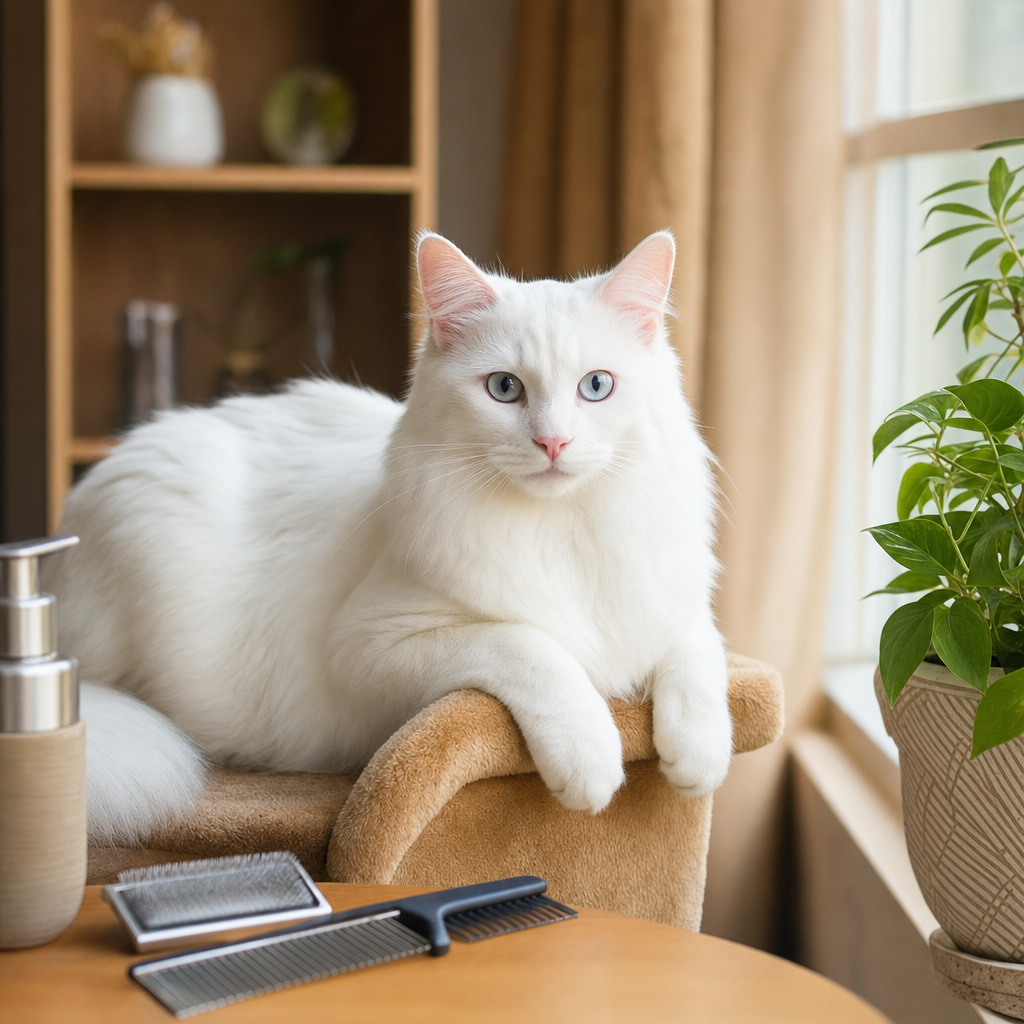
Turkish Angora Grooming & Behavior Guide for Indian Homes
Turkish Angora Grooming & Behavior Guide for Indian Homes
The Turkish Angora is a captivating breed, known for its elegance and charisma. As a pet parent in India, understanding their grooming and behavior is key to a happy home. Whether you’re already a proud owner or considering adopting one, this guide offers insights tailored to Indian households.
Understanding the Turkish Angora
Originating from Turkey, the Turkish Angora is one of the oldest and purest cat breeds. Known for their silky, medium-length fur and striking eyes, they exude grace. These intelligent and playful cats adapt well to various environments, making them ideal for Indian homes.
Grooming Tips for Turkish Angoras
Turkish Angoras require regular grooming to maintain their stunning coat and overall health. Here’s how to keep them in top shape:
1. Brushing
Brush your Turkish Angora at least twice a week. This helps prevent matting and reduces shedding. Use a slicker brush or a wide-toothed comb for best results.
2. Bathing
Unlike some cats, Turkish Angoras may enjoy an occasional bath. Use a mild feline shampoo and ensure they are thoroughly dried afterward. Bathing every couple of months is sufficient.
3. Nail Trimming
Trim their nails every couple of weeks to prevent overgrowth and splitting. Invest in a quality pair of cat nail clippers for quick and safe trimming.
4. Ear and Eye Care
Regularly check their ears for dirt or wax build-up and clean as needed. Turkish Angoras can have eye discharge, so gently wipe their eyes with a damp cloth to keep them clean.
Behavioral Traits of Turkish Angoras
Turkish Angoras are known for their affectionate yet independent nature. Here are some key behavioral aspects to consider:
1. Social and Playful
These cats enjoy social interactions and thrive in environments where they receive plenty of attention. Engage them with interactive toys and dedicate playtime daily.
2. Intelligent and Curious
Turkish Angoras are curious explorers. Provide them with stimulating activities, such as puzzle feeders or climbing trees, to keep their minds sharp.
3. Territorial
Though affectionate, they can be territorial. Ensure each pet has its own feeding areas and sleeping spaces to prevent disputes.
4. Adaptable
Adapting well to various living conditions, Turkish Angoras are suitable for Indian apartments or houses. Provide ample space and vertical areas for them to venture and explore.
Creating a Comfortable Environment for Your Turkish Angora
Ensure your home is equipped to accommodate your pet’s needs. Invest in quality cat furniture, a scratching post, and cozy bedding. Maintain moderate temperatures, as extreme heat can be uncomfortable for these cats.
Diet and Nutrition
A balanced diet is crucial. Provide high-quality cat food, and ensure fresh water is always available. Consult with your vet for any specific dietary needs tailored to your Turkish Angora’s age or health condition.
Conclusion
Caring for a Turkish Angora in India is a delightful experience when you understand their grooming and behavioral needs. By following this guide, you’ll keep your feline friend healthy, happy, and thriving in your home.
Have you recently adopted a Turkish Angora? Share your experiences or questions in the comments below!

Crate Training a Puppy: Complete Week-by-Week Guide
Crate Training a Puppy: Your Complete Week-by-Week Guide
Welcome to Pettomets’ ultimate guide on crate training a puppy. This week-by-week guide will ensure a positive and successful crate training experience for you and your puppy. Let’s dive into the details!
Why Crate Training is Essential
Crate training is a beneficial way to provide a safe space for your puppy, making housetraining easier and offering a cozy retreat for your pet. A well-trained puppy will feel secure in their crate, helping with anxiety and safety when you’re not home.
Week 1: Introducing the Crate
Start by making the crate inviting and comfortable with soft bedding and toys. Allow your puppy to explore the crate on their own by placing treats inside to encourage curiosity. Remember, the goal is to associate the crate with positive experiences.
Week 2: Establishing a Routine
Begin feeding your puppy near or inside the crate to build a routine. Gradually close the door during mealtime and open it once they’ve finished eating. This helps your puppy become accustomed to being inside the crate with the door closed.
Week 3: Increasing Crate Time
With your puppy becoming more comfortable, start increasing the time they spend inside the crate. Use praise and treats to reinforce good behavior. Short periods with the door closed can help in lengthening the time gradually, ensuring your puppy doesn’t feel trapped.
Week 4: Nighttime Crate Training
Introduce overnight stays in the crate. Ensure the crate is comfortable and close to your bedroom to reassure your puppy. Consistency is key; establish a bedtime routine to make the transition smoother.
Week 5: Leaving the House
Practice leaving your puppy in the crate while you leave the house for short intervals. Ensure they’ve had a chance to use the bathroom and are calm before leaving. Gradually increase the duration to ensure they’re comfortable being alone.
Week 6: Perfecting the Practice
By now, your puppy should be more comfortable with their crate. Continue to practice and maintain a routine, using the crate sparingly throughout the day. Always ensure crate time is a positive experience with plenty of praise and rewards.
Troubleshooting Common Issues
If your puppy seems anxious or resistant to crate training, revisit previous steps and ensure you’re not moving too quickly. Patience, positive reinforcement, and a consistent routine are crucial for success.
Final Thoughts
Crate training is a journey that requires time, patience, and consistency. By following this week-by-week guide, you’re setting the foundation for a well-adjusted, happy, and confident puppy. For more tips and tricks on puppy care, stay tuned to Pettomets!
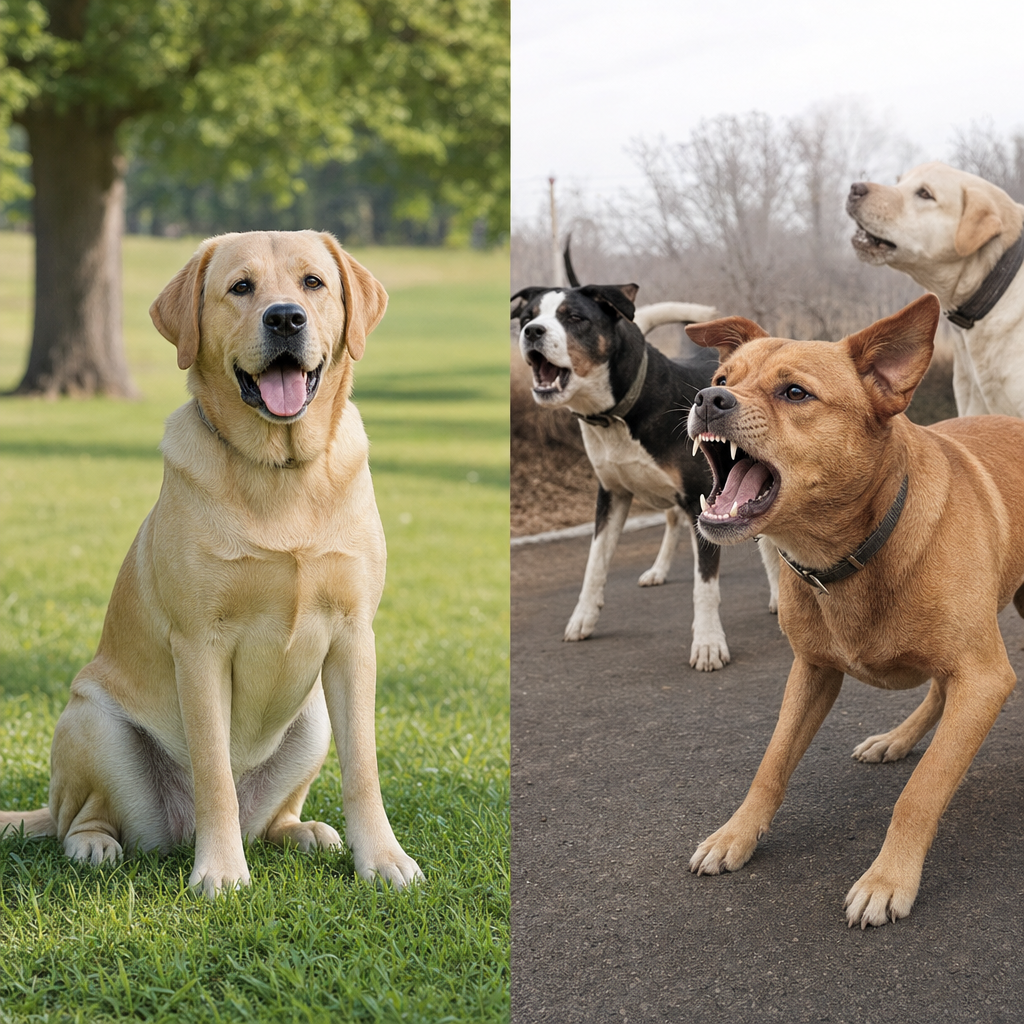
Neutering vs Not Neutering: Health & Behavior Effects in Dogs
Neutering vs Not Neutering: Health & Behavior Effects in Dogs
The decision to neuter your dog is a significant one, with various health and behavioral implications. Understanding the pros and cons of neutering can help you make an informed choice for your furry friend. In this guide, we’ll explore the benefits and potential downsides of neutering dogs, helping pet owners navigate this important aspect of canine care.
What Is Neutering?
Neutering, or castration, involves the surgical removal of a male dog’s testicles. This procedure prevents reproduction and can have several health and behavioral benefits. However, some dog owners choose not to neuter due to potential downsides or personal preferences.
The Pros of Neutering
Neutering your dog can result in various positive outcomes, both for the individual animal and the wider community.
1. Health Benefits
Neutering can reduce the risk of certain health issues. It eliminates the possibility of testicular cancer and decreases the risk of prostate problems. Additionally, neutered dogs are less likely to develop perianal fistulas.
2. Behavioral Improvements
Many neutered dogs display less aggression and reduced roaming tendencies. The procedure can also decrease marking behavior, resulting in fewer accidents indoors.
3. Population Control
Neutering plays a crucial role in controlling the dog population, reducing the number of unwanted puppies and helping decrease the frequency of stray dogs.
The Cons of Neutering
While there are many benefits, neutering may also present some challenges or downsides.
1. Health Concerns
Some studies suggest that neutering can increase the risk of certain conditions, such as obesity, hypothyroidism, and joint problems. It’s important to consult with a veterinarian to understand the specific risks for your dog.
2. Behavioral Changes
Though neutering can reduce some unwanted behaviors, it isn’t a cure-all. Some dogs may experience changes that owners find unpredictable, such as increased anxiety or fearfulness.
3. Cost of Surgery
The cost of the surgical procedure might be a consideration for some pet owners. However, many communities offer low-cost neutering programs to assist with expenses.
Not Neutering: Considerations
Choosing not to neuter your dog also comes with its own set of considerations. Unneutered dogs may display more territorial behavior, potentially leading to conflicts with other dogs. Without neutering, the likelihood of unwanted litters increases, further contributing to overpopulation issues. Pet owners should weigh these factors carefully alongside their dog’s specific needs and lifestyle.
Conclusion: Making the Decision
The choice to neuter or not neuter your dog is a personal one, influenced by health considerations, behavioral expectations, and ethical beliefs. Consulting with your veterinarian can provide personalized advice tailored to your dog’s breed, age, and health status. Whether you choose to neuter or not, focusing on overall well-being and responsible pet ownership will ensure your dog leads a happy, healthy life.
Explore more tips and advice on responsible pet care at Pettomets, your trusted resource for comprehensive pet health and well-being.
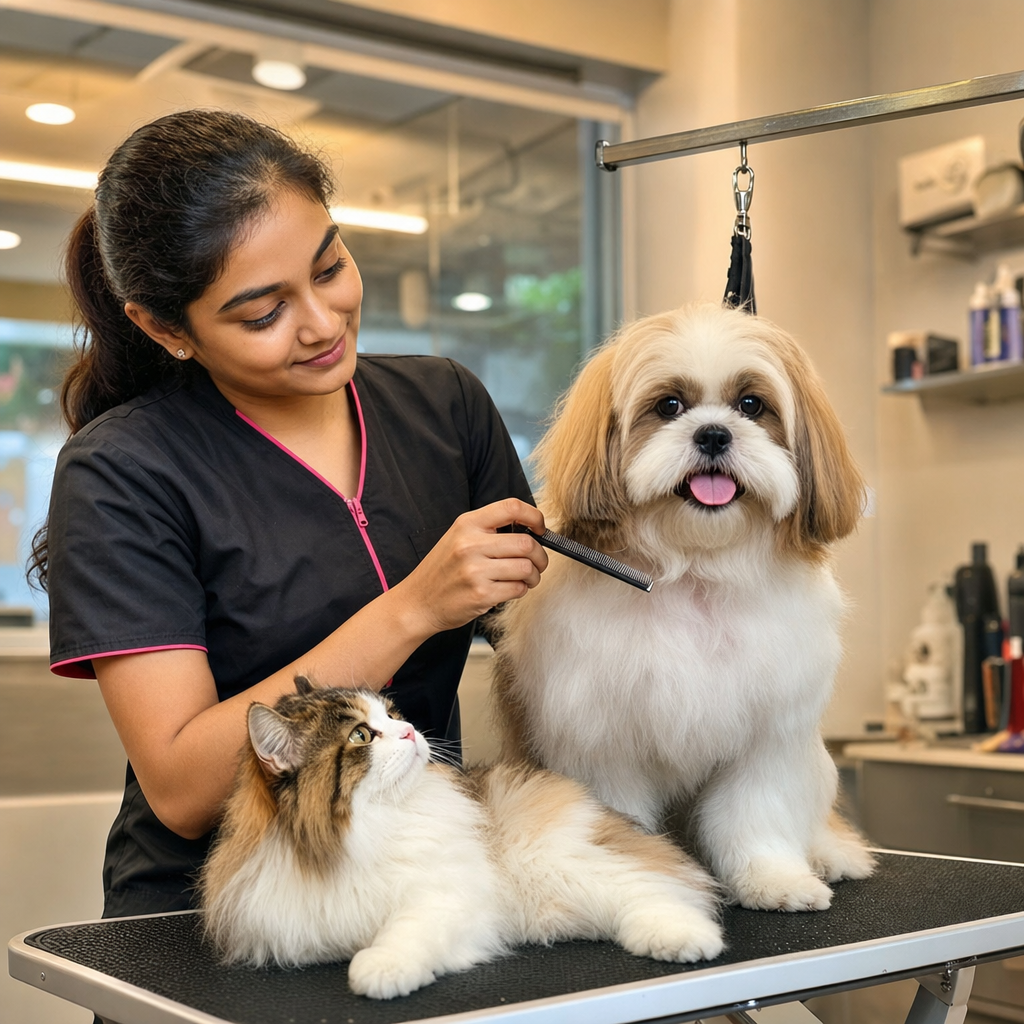
Trusted Dog & Cat Groomers Near You in Bangalore: What to Look For
Trusted Dog & Cat Groomers Near You in Bangalore: What to Look For
Are you searching for reliable pet groomers in Bangalore to keep your furry friends looking their best? Grooming is an essential part of your pet’s health and well-being, and finding the right groomer can make all the difference. In this blog post, we’ll explore what to look for when choosing a trusted grooming service for your beloved dogs and cats in Bangalore.
Why Professional Grooming Matters
Grooming is not just about aesthetics; it’s crucial for maintaining your pet’s overall health. Professional groomers are trained to spot potential health issues like skin infections, ear problems, or parasites. Regular grooming ensures your pet is comfortable, clean, and healthy. In the bustling city of Bangalore, having a dependable groomer is a must for busy pet owners.
What to Consider When Choosing a Groomer
Not all groomers are created equal, and it’s important to choose one that meets your specific needs. Here are some key factors to consider:
1. Experience and Qualifications
Look for groomers with proper certifications and experience. It’s essential to ensure they have undergone professional training and have hands-on experience with both dogs and cats. Experienced groomers are better equipped to handle different breeds and temperaments.
2. Cleanliness and Safety
Visit the grooming facility to assess its cleanliness and safety. A good grooming salon should maintain high hygiene standards, have well-maintained equipment, and ensure the safety of all pets. Check if they use pet-friendly products and follow safety protocols.
3. Services Offered
Depending on your pet’s needs, you may require specific grooming services such as nail trimming, ear cleaning, or specialized haircuts. Choose a groomer that offers a range of services tailored to your pet’s requirements.
4. Reviews and Recommendations
Word of mouth is powerful. Seek recommendations from fellow pet owners and read online reviews to gauge the reputation of the grooming service. Positive testimonials and repeat customers are usually good indicators of quality service.
5. Interaction with Pets
Observe how the groomers interact with animals. A gentle, compassionate approach is crucial for ensuring a stress-free experience for your pet. The right groomer will make your pet feel at ease and handle them with love and care.
Find the Best Pet Groomers in Bangalore
With these tips in mind, you’re well on your way to finding a trusted dog and cat groomer in Bangalore who will cater to your pet’s specific needs. Remember, grooming is not just about looks; it’s about health and happiness. Take the time to choose the right professional to keep your furry family member in top shape!
Invest in your pet’s well-being by selecting a groomer that aligns with your expectations and provides exceptional care. Your furry friend deserves the best, and with the right groomer, they’ll shine brighter than ever!

Worms in Cats: Types, Symptoms & Deworming Schedule
Understanding Worms in Cats: Types, Symptoms & Deworming Schedule
Worms in cats are more common than many pet owners realize, and understanding the types, symptoms, and the right deworming schedule is crucial for your cat’s health. In this detailed guide, we’ll cover everything you need to know about worms in cats and how to keep your furry friend protected.
Types of Worms in Cats
Cats can be hosts to several types of worms including:
- Roundworms: These are the most common intestinal worms found in cats. They resemble spaghetti and are often seen in kittens.
- Tapeworms: Characterized by segments, tapeworms are commonly transmitted via fleas.
- Hookworms: These are smaller than roundworms and attach to the intestinal lining, causing bleeding.
- Heartworms: Although more common in dogs, cats can also contract heartworms, which can be serious.
Symptoms of Worms in Cats
Worm infestations can lead to a variety of symptoms, including:
- Vomiting or diarrhea
- Bloated stomach, especially in kittens
- Weight loss despite a good appetite
- Visible worms in stool or vomit
- Frequent coughing or respiratory difficulties
- Changes in coat condition or appearance
If you notice any of these symptoms, it’s important to consult your veterinarian for a proper diagnosis and treatment plan.
Deworming Schedule for Cats
A regular deworming schedule is essential to keep your cat healthy and free of parasites. Here’s a standard deworming schedule to follow:
- Kittens: Start deworming at 2 weeks of age, and repeat every 2 weeks until they are 8 weeks old. Then, continue monthly until 6 months of age.
- Adult Cats: Deworm at least every 3 months. Cats at high risk should be dewormed more frequently, as advised by your vet.
- Pregnant and Nursing Cats: Deworm prior to mating, after the first 45 days of pregnancy, and during the first few weeks of lactation.
Conclusion
Worm prevention and regular deworming are key components of maintaining your cat’s overall health. By adhering to a dedicated deworming schedule and watching for symptoms, you can ensure your cat remains healthy and happy. Always consult your veterinarian to tailor a deworming plan best suited for your beloved pet.
For more pet care tips and advice, stay tuned to Pettomets – your go-to resource for all things pet-related!
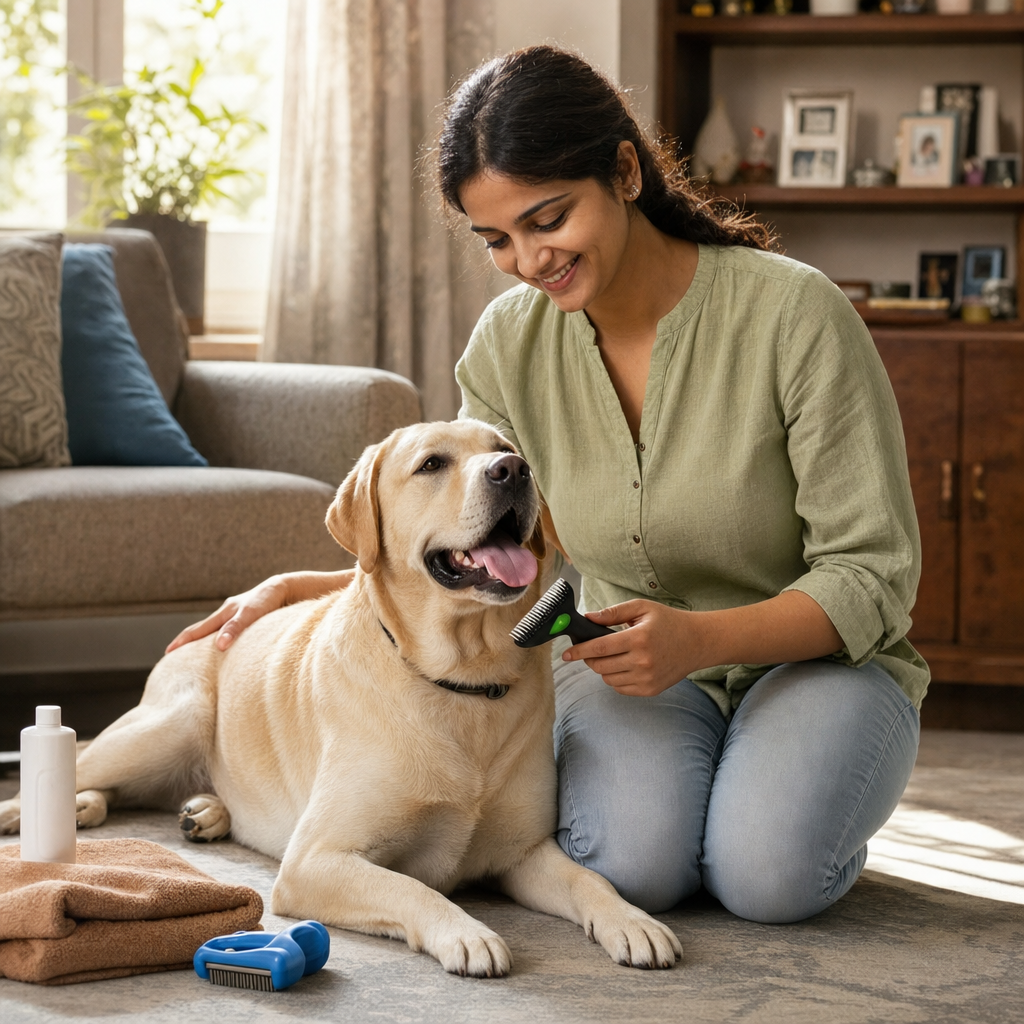
Labrador Retriever Grooming & Behavior Guide for Indian Homes
Labrador Retriever Grooming & Behavior Guide for Indian Homes
Labrador Retrievers are among the most popular dog breeds in India, celebrated for their friendly nature and energetic demeanor. If you’re a proud Labrador parent or considering adopting one, understanding their grooming needs and behavior is essential. This guide is designed to help Indian pet owners care for their Labradors effectively, ensuring a happy and healthy life for their furry friend.
Grooming Your Labrador Retriever
Understanding Labrador Coats
Labradors have a double coat comprising a dense short undercoat and a smoother top coat. This makes them fairly weather-resistant, but it also means they need regular grooming to manage shedding, especially in Indian climates.
Brushing Essentials
Regular brushing is key to managing shedding and keeping your Labrador’s coat healthy. Aim for at least two to three times a week. Use a quality slicker brush or a de-shedding tool to remove loose fur and prevent matting.
Bathing Best Practices
Bathing too often can strip essential oils from your Labrador’s coat, so limit baths to once a month or as needed. Use a gentle, dog-specific shampoo to maintain coat health and rinse thoroughly to avoid skin irritation.
Ear and Nail Care
Labradors are prone to ear infections due to their floppy ears. Clean their ears weekly with a vet-recommended solution. Nail trimming should be done monthly to prevent overgrowth and discomfort.
Dental Hygiene
Don’t neglect dental care. Brush your Labrador’s teeth several times a week with dog-friendly toothpaste to prevent plaque buildup and maintain oral health.
Understanding Labrador Retriever Behavior
Friendly and Social Nature
Labradors are known for their sociable and friendly temperament, making them ideal family pets. They thrive on human interaction, so ensure they receive plenty of attention and socialization.
Exercise Needs
An active breed, Labradors require ample exercise to channel their energy positively. Daily walks, playtime, and mental stimulation like training sessions are crucial to prevent boredom and destructive behavior.
Training Tips
Start training early with positive reinforcement techniques. Labradors are intelligent and eager to please, making them highly trainable. Consistent commands and rewards will help in shaping a well-behaved pet.
Managing Separation Anxiety
Labradors can develop separation anxiety if left alone for extended periods. Gradually increase the duration of your absence and provide engaging toys or puzzles to ease their anxiety.
Conclusion
Caring for a Labrador Retriever in an Indian home involves understanding their grooming needs and embracing their lively behavior. With regular grooming, adequate exercise, and proper training, you can enjoy the unwavering loyalty and boundless affection this remarkable breed brings to your life.
For more tips and guides on pet care, explore our blog at Pettomets and ensure your pet enjoys a fulfilling and healthy life.