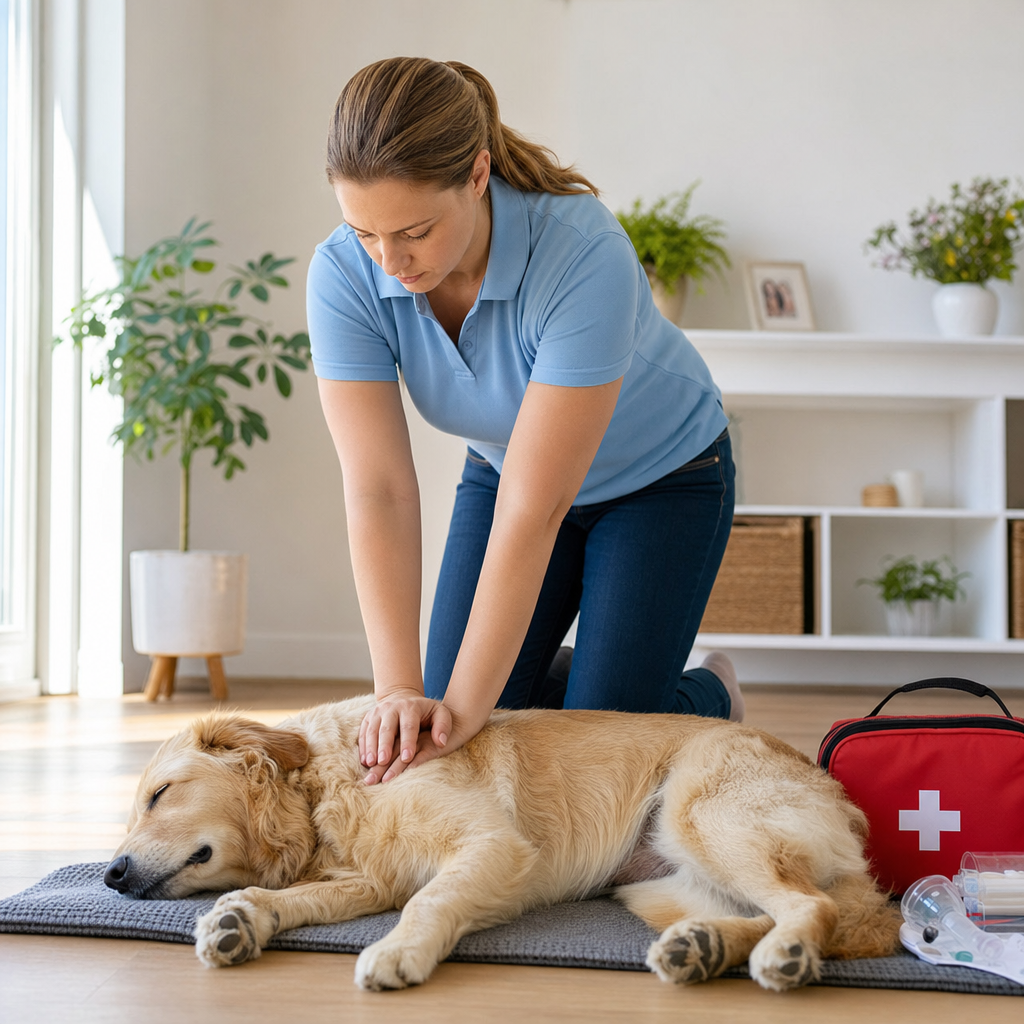
Pet CPR & Choking: What Every Pet Owner Should Know
As loving pet owners, ensuring the safety and well-being of our furry companions is a top priority. Accidents and emergencies can happen at any time, and having basic knowledge of pet CPR and how to handle choking can make all the difference. Here’s a complete guide for every pet owner to stay prepared and confident in such situations.
Understanding Pet CPR
CPR, or cardiopulmonary resuscitation, is a lifesaving technique used in emergencies when a pet has stopped breathing or their heart has ceased beating. While it’s rare that you’ll need to perform CPR on your pet, knowing how to do it correctly can be crucial.
Steps for Performing Pet CPR
1. **Assess the Situation**: First, check if your pet is unconscious. Gently call their name or tap them to see if they respond.
2. **Check for Breathing and a Pulse**: Look at their chest and feel for breaths. Check for a pulse on the femoral artery located on the inside of their hind leg.
3. **Position Your Pet**: If there are no signs of breathing or pulse, lay them on their right side on a flat surface.
4. **Compressions for Small Pets**: For smaller pets, use your thumb and forefingers around the chest, just behind the front legs, and compress 1/3 to 1/2 the width of the chest.
5. **Compressions for Large Pets**: Place one hand on top of the other over the widest part of the chest and deliver quick compressions.
6. **Rescue Breaths**: After 30 compressions, close your pet’s mouth and gently breathe into their nostrils. Give two breaths for every 30 compressions.
7. **Continuous Effort**: Continue with the cycle of compressions and breaths until your pet starts breathing or professional help arrives.
Handling a Choking Pet
Choking can occur if your pet swallows something inappropriate. Staying calm and acting swiftly can save your pet’s life.
Steps to Address Choking
1. **Assess the Obstruction**: Look into your pet’s mouth to check for visible obstructions. Use your fingers carefully to remove any object you can see.
2. **Back Blows for Small Pets**: If the object isn’t visible, gently but firmly give five back blows with your palm between their shoulder blades.
3. **Heimlich Maneuver for Large Pets**: Stand behind your pet, place your fist just behind the rib cage, and give five rapid, upward abdominal thrusts.
4. **Check the Mouth Again**: After the blows or thrusts, check their mouth again to see if the object has been dislodged.
5. **Seek Professional Help**: If unsuccessful, take your pet to the vet immediately while continuing emergency procedures.
Final Thoughts
Knowing how to perform CPR and manage choking hazards can be vital in safeguarding your pet’s life. Regular training and refresher courses on these techniques are recommended for every pet owner. Stay prepared, stay calm, and your furry friend will thank you for your care and attentiveness.
For more information and tips on pet safety, visit Pettomets. With the right knowledge and love, you can provide a safe and healthy environment for your pet.