Crate Training a Puppy: Your Complete Week-by-Week Guide
Welcome to Pettomets’ ultimate guide on crate training a puppy. This week-by-week guide will ensure a positive and successful crate training experience for you and your puppy. Let’s dive into the details!
Why Crate Training is Essential
Crate training is a beneficial way to provide a safe space for your puppy, making housetraining easier and offering a cozy retreat for your pet. A well-trained puppy will feel secure in their crate, helping with anxiety and safety when you’re not home.
Week 1: Introducing the Crate
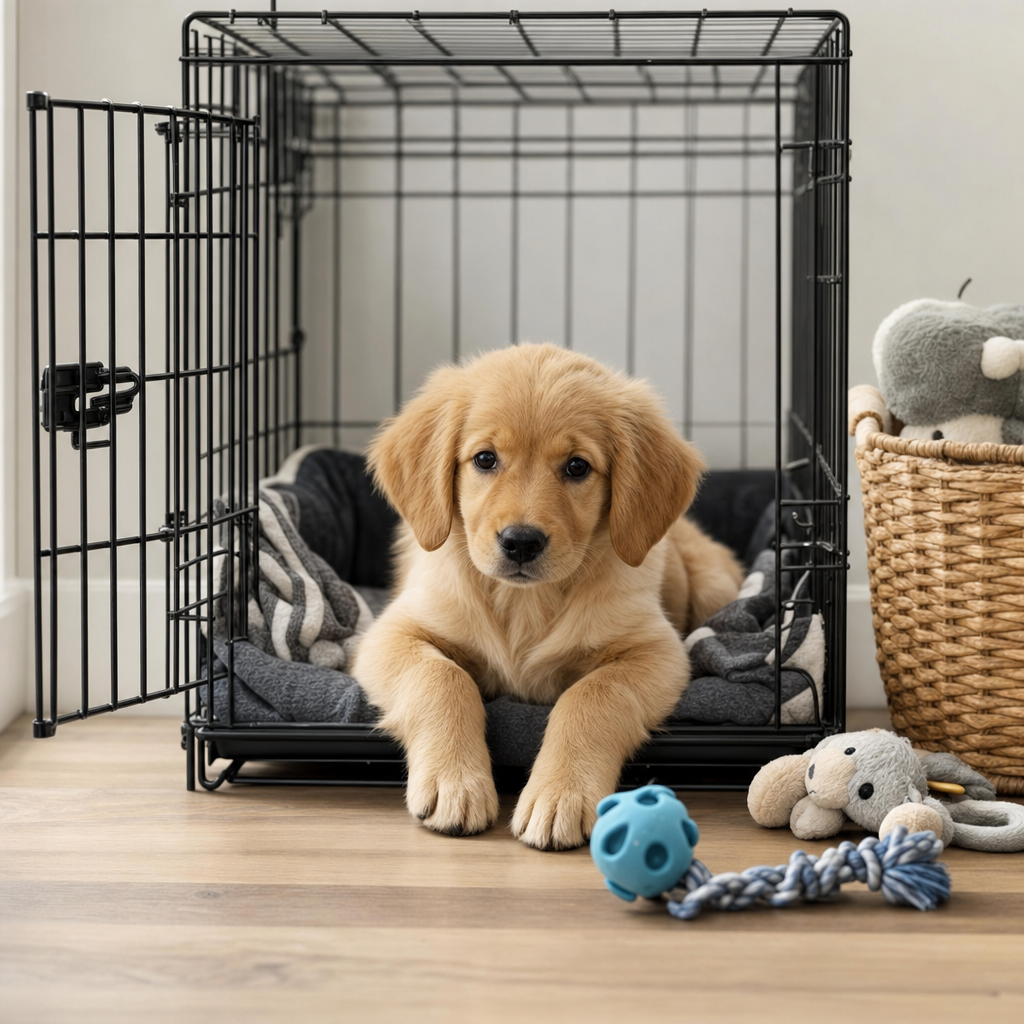
Start by making the crate inviting and comfortable with soft bedding and toys. Allow your puppy to explore the crate on their own by placing treats inside to encourage curiosity. Remember, the goal is to associate the crate with positive experiences.
Week 2: Establishing a Routine
Begin feeding your puppy near or inside the crate to build a routine. Gradually close the door during mealtime and open it once they’ve finished eating. This helps your puppy become accustomed to being inside the crate with the door closed.
Week 3: Increasing Crate Time
With your puppy becoming more comfortable, start increasing the time they spend inside the crate. Use praise and treats to reinforce good behavior. Short periods with the door closed can help in lengthening the time gradually, ensuring your puppy doesn’t feel trapped.
Week 4: Nighttime Crate Training
Introduce overnight stays in the crate. Ensure the crate is comfortable and close to your bedroom to reassure your puppy. Consistency is key; establish a bedtime routine to make the transition smoother.
Week 5: Leaving the House
Practice leaving your puppy in the crate while you leave the house for short intervals. Ensure they’ve had a chance to use the bathroom and are calm before leaving. Gradually increase the duration to ensure they’re comfortable being alone.
Week 6: Perfecting the Practice
By now, your puppy should be more comfortable with their crate. Continue to practice and maintain a routine, using the crate sparingly throughout the day. Always ensure crate time is a positive experience with plenty of praise and rewards.
Troubleshooting Common Issues
If your puppy seems anxious or resistant to crate training, revisit previous steps and ensure you’re not moving too quickly. Patience, positive reinforcement, and a consistent routine are crucial for success.
Final Thoughts
Crate training is a journey that requires time, patience, and consistency. By following this week-by-week guide, you’re setting the foundation for a well-adjusted, happy, and confident puppy. For more tips and tricks on puppy care, stay tuned to Pettomets!