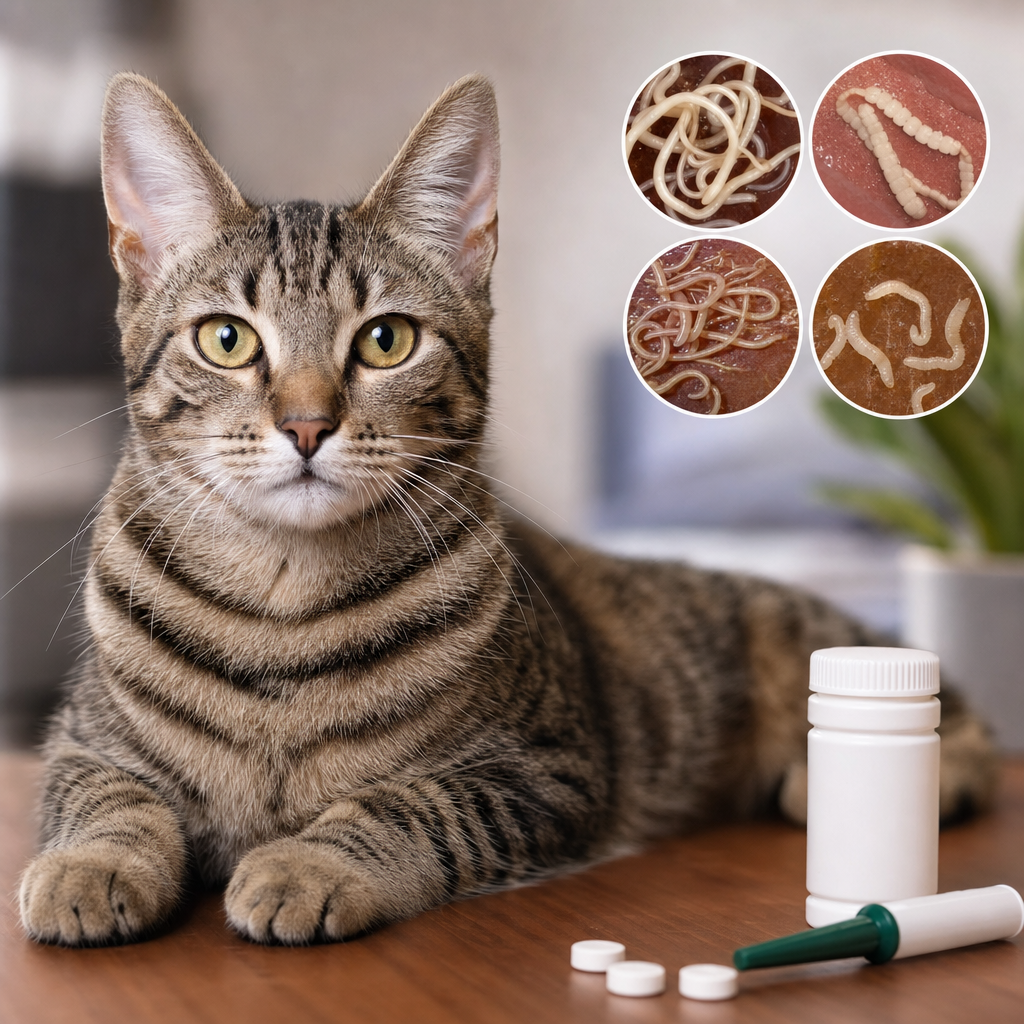
Understanding Worms in Cats: Types, Symptoms & Deworming Schedule
Worms in cats are more common than many pet owners realize, and understanding the types, symptoms, and the right deworming schedule is crucial for your cat’s health. In this detailed guide, we’ll cover everything you need to know about worms in cats and how to keep your furry friend protected.
Types of Worms in Cats
Cats can be hosts to several types of worms including:
- Roundworms: These are the most common intestinal worms found in cats. They resemble spaghetti and are often seen in kittens.
- Tapeworms: Characterized by segments, tapeworms are commonly transmitted via fleas.
- Hookworms: These are smaller than roundworms and attach to the intestinal lining, causing bleeding.
- Heartworms: Although more common in dogs, cats can also contract heartworms, which can be serious.
Symptoms of Worms in Cats
Worm infestations can lead to a variety of symptoms, including:
- Vomiting or diarrhea
- Bloated stomach, especially in kittens
- Weight loss despite a good appetite
- Visible worms in stool or vomit
- Frequent coughing or respiratory difficulties
- Changes in coat condition or appearance
If you notice any of these symptoms, it’s important to consult your veterinarian for a proper diagnosis and treatment plan.
Deworming Schedule for Cats
A regular deworming schedule is essential to keep your cat healthy and free of parasites. Here’s a standard deworming schedule to follow:
- Kittens: Start deworming at 2 weeks of age, and repeat every 2 weeks until they are 8 weeks old. Then, continue monthly until 6 months of age.
- Adult Cats: Deworm at least every 3 months. Cats at high risk should be dewormed more frequently, as advised by your vet.
- Pregnant and Nursing Cats: Deworm prior to mating, after the first 45 days of pregnancy, and during the first few weeks of lactation.
Conclusion
Worm prevention and regular deworming are key components of maintaining your cat’s overall health. By adhering to a dedicated deworming schedule and watching for symptoms, you can ensure your cat remains healthy and happy. Always consult your veterinarian to tailor a deworming plan best suited for your beloved pet.
For more pet care tips and advice, stay tuned to Pettomets – your go-to resource for all things pet-related!